














The reality of Trump’s drug prices will emerge over the next 18 months
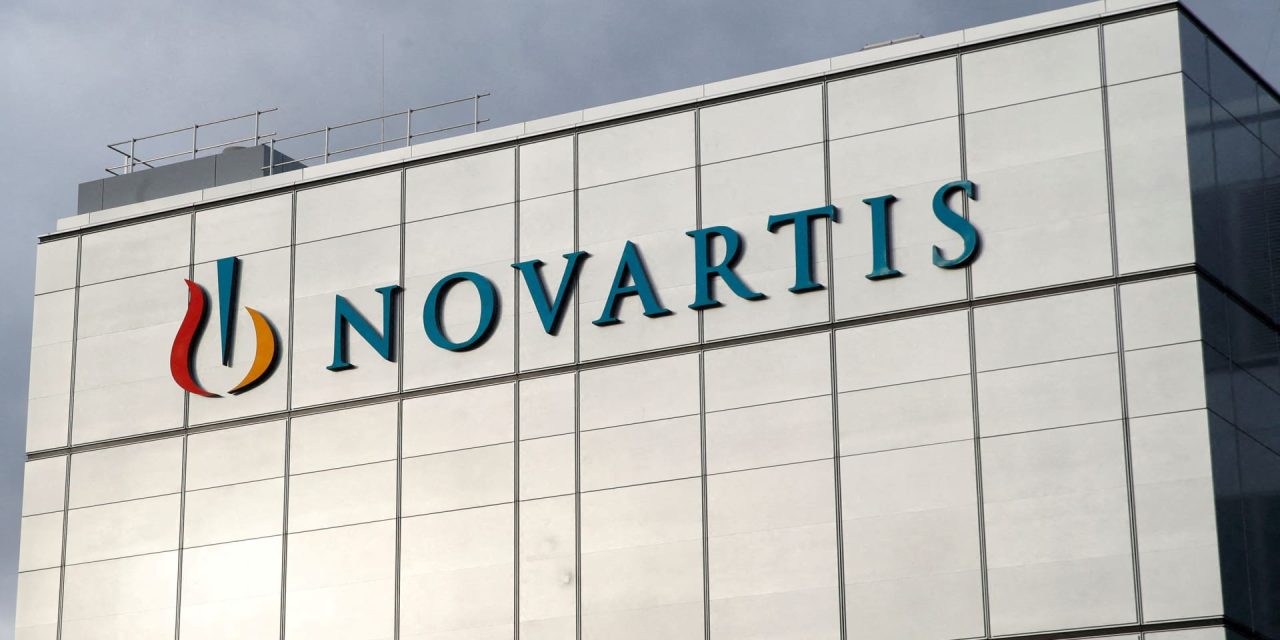
Vas Narasimhan, CEO of Novartis AG, during an announcement in the Roosevelt Room of the White House in Washington, DC, USA, on Friday, December 19, 2025.
Will Oliver | Bloomberg | Getty Images
NovartisThe CEO warned Tuesday that U.S. drug pricing policy under President Donald Trump represents a “very difficult situation” and that reality will soon catch up with both drugmakers and patients.
“The longer-term impact is significant,” CEO Vas Narasimhan told CNBC’s Carolin Roth. “The reality of MFN will come in the next 18 months.”
Novartis is focused on getting European and Japanese governments to quickly change the way they reward innovation, he said, adding that if that doesn’t happen, novel drugs may be delayed from entering the market and patients may be unable to access the medicines.
The Most Favored Nation Drug Pricing (MFN) policy introduced by Trump last year means that prices in the large and lucrative US market are tied to prices in comparatively wealthy countries. Trump has made lower drug prices for Americans a priority and has long criticized what he calls foreign nations’ “freedom of American-funded innovation.”
Narasimhan’s comments echo other drugmakers who have complained about Europe’s fragmented markets, bureaucracy and pricing policies.
Roche And AstraZeneca are among companies that recently flagged that European countries risk missing out on new medicines if they don’t address lower drug spending and unfavorable policies.
“We will find ourselves in a situation where we will have to make difficult compromises,” Narasimhan said, adding that he hopes to find alternative solutions so that patients can access essential medicines.
MFN’s impact on Novartis’ revenue and earnings is still limited, as it currently primarily impacts about 5-10% of revenue in the Medicaid segment, Narasimhan told CNBC.
While there are “good initial discussions” with European governments, there is still not enough action being taken, he added. “The awareness is there, but I still don’t think there’s an understanding of what impact this will have.”
Earlier this month, Germany announced a proposal to cut costs in its national health system to close a looming multibillion-euro funding gap, including by introducing higher discounts on patented drugs.
“We have seen recent moves by the German government, for example, that actually go in the wrong direction. And that is very worrying,” said Narasimhan.
“These governments have to take this really seriously now, because they [MFN] The policy is set, and I don’t see it going away in the United States.”
Loss of results
Novartis also reported its first quarterly sales decline in more than two years on Tuesday, as competition from generics weighed on the drugmaker’s sales.
Shares fell 2.9% in morning trading in Zurich.
The Swiss company reported first-quarter revenue of $13.1 billion, below the $13.5 billion expected by analysts surveyed by FactSet and a 1% decline from a year ago. Sales fell by 5% after adjusting for currency effects.
Earnings per share were $1.65, down 10% year over year.
Citi analysts said the decline was due to faster-than-expected declines in generic prices for the company’s top-selling drugs, Entresto, Promacta and Tasigna, which each fell between 7% and 17%. The decline in sales was only partially offset by the growth of new drugs such as the breast cancer drug Kisqali and the multiple sclerosis drug Kesimpta.
Sales of the heart drug Entresto fell 42% after the US patent expired. There is a risk of losing exclusive rights in Europe later this year.
“We prepared for a first half that was going to be challenging – we knew these generics were coming. It’s actually the biggest loss of exclusivity in Novartis history,” Narasimhan said.
Novartis expects growth to pick up in the second half of the year.
Choose CNBC as your preferred source on Google and never miss a moment from the most trusted name in business news.