

















The FDA is allowing Zyn, owned by Philip Morris, to be marketed as less harmful cigarettes
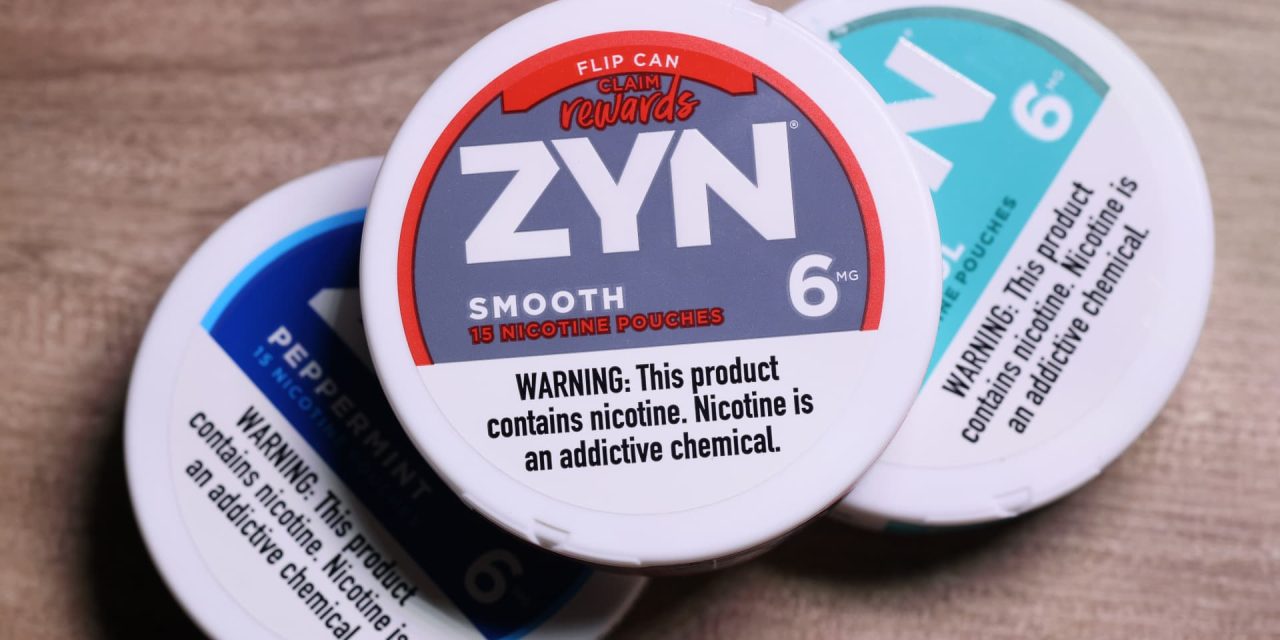
The Food and Drug Administration gave the clearance on Tuesday Philip MorrisZyn’s proprietary nicotine pouches are set to be marketed as less harmful than cigarettes, handing the tobacco giant a major regulatory victory as the Trump administration eases restrictions on nicotine products.
The decision, first reported by Axios, allows 20 Zyn products to carry a modified risk claim that says switching from cigarettes to Zyn reduces the risk of oral cancer, heart disease, lung cancer, stroke, emphysema and chronic bronchitis.
Zyn pouches contain nicotine, but no tobacco. Placed between a user’s gums and lip, they have become increasingly popular among conservatives, tech workers and others who promote them as a cleaner alternative to cigarettes and chewing tobacco or as a productivity aid.
The FDA’s decision does not mean Zyn is safe. The agency has stated that there is no safe tobacco product, that youth should not use tobacco products, and that adults who do not use tobacco products should not start using them.
Still, the order gives Philip Morris a strong health claim for one of the fastest-growing products in the nicotine market as U.S. cigarette sales continue to decline and major tobacco companies invest more in smoke-free products.
President Donald Trump, who supported restrictions on flavored e-cigarettes in his first term, changed course in the 2024 campaign and promised to “save vaping.” Since returning to office, his administration has taken a more industry-friendly approach, including by allowing some flavored e-cigarettes and nicotine pouches to remain on the market while they undergo FDA review.
The change came after intense lobbying from the tobacco and e-cigarette industries, which argued that adult smokers need more access to less harmful alternatives to cigarettes.
“President Trump consistently promised on the campaign trail to expand access to nicotine vapes, nicotine pouches and other products proven to help adults quit smoking,” White House spokesman Kush Desai told CNBC. “The sole guiding factor behind the Trump administration’s decision-making is Gold Standard Science.”
Zyn has also become a cultural marker in conservative politics. Former Fox News host Tucker Carlson helped popularize the brand on the right before later branching out from Zyn and launching his own brand of nicotine pouches, Alp.
Nicotine pouches have also found supporters in Trump’s circle. The Wall Street Journal reported that Health and Human Services Secretary Robert F. Kennedy Jr. used nicotine pouches and that Trump recently asked Kennedy after a lunch with tobacco executives which pouches he had used.
The FDA had already approved the same 20 Zyn products for sale in January 2025, but that earlier decision did not allow Swedish Match, the Philip Morris subsidiary that makes Zyns, to market them as disease risk-reducing products. Tuesday’s order goes a step further, allowing the company to make a specific, lower-risk claim related to several serious smoking-related illnesses.
“FDA’s review of modified risk products is designed to ensure that adult consumers receive clear, science-based information about the relative harms of tobacco products so they can make informed decisions,” Bret Koplow, acting director of the FDA’s Center for Tobacco Products, said in a statement. “Today’s decision allows these products to be marketed with a modified risk statement that informs smoking adults of the lower risks of these products.”
Products covered by the order include Zyn Chill, Cinnamon, Citrus, Coffee, Cool Mint, Menthol, Peppermint, Smooth, Spearmint and Wintergreen, each in 3 milligram and 6 milligram nicotine strengths.
“The FDA’s decision is an important moment for the more than 45 million adult nicotine users in America,” Stacey Kennedy, CEO of Philip Morris US, said in a statement. “Today’s news ensures that these adults have access to accurate, science-based information, including FDA-authorized evidence that switching from cigarettes to ZYN reduces the risk of smoking-related diseases such as heart disease and lung cancer.”