

















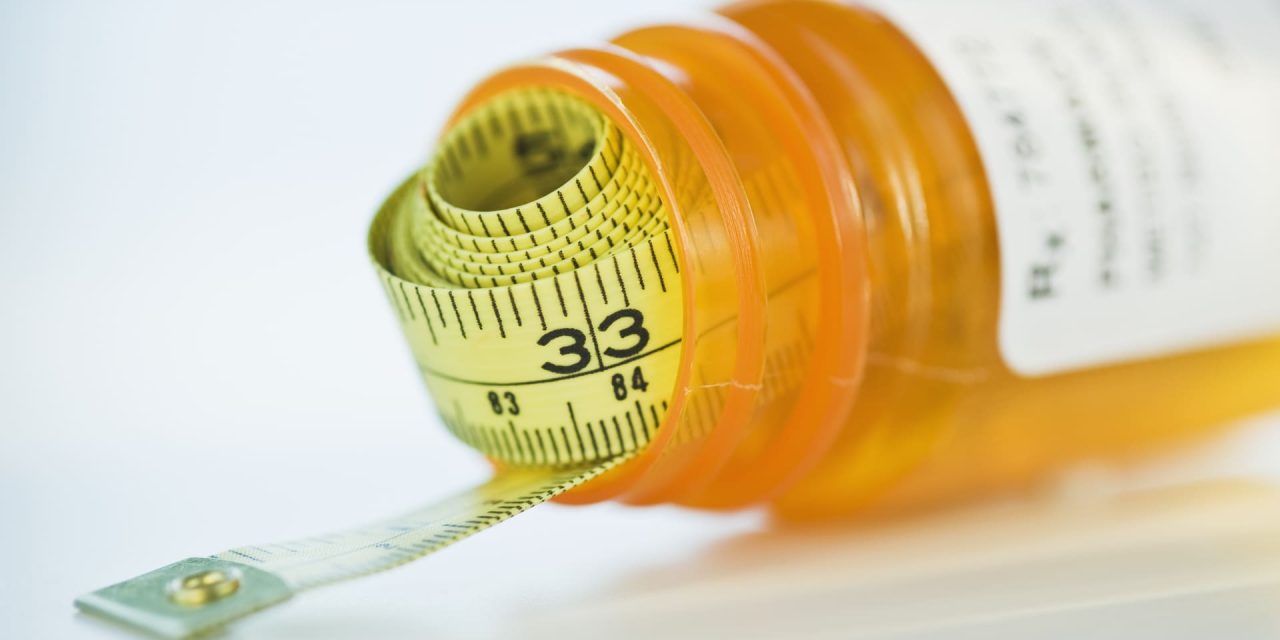
Obesity pills from Novo Nordisk and Eli Lilly are coming
Daniel Grill | Tetra Images | Getty Images
A version of this article first appeared in CNBC’s Healthy Returns newsletter, which brings the latest health news straight to your inbox. Subscribe here to receive future editions.
GLP-1 obesity pills are closer than ever.
2026 is likely the year that two new oral weight loss medications will reach patients in the United States. For some people, pills could be a more convenient — and in certain cases, potentially cheaper — alternative to today’s blockbuster injections.
Drug manufacturer New Nordisk and Eli Lilly have said their daily pills could help the drugs reach new patients. This can include people who are afraid of injections or patients who could benefit from existing injections but do not take them because they do not consider their need to be serious enough.
The upcoming pills are not expected to be more effective than weekly injections, but health experts stress that expanding treatment options could still be a big win for patients. After the shots caused nationwide supply shortages in recent years, Novo Nordisk and Eli Lilly have already begun preparing enough of their pills to meet expected demand.
In an August note, analysts at Goldman Sachs predicted that pills will account for 24% – or about $22 billion – of the global weight-loss drug market in 2030, which they estimate will be worth a total of $95 billion.
Here’s what you should know about the upcoming pills.
timing
The logo of pharmaceutical company Novo Nordisk is seen outside its offices in Bagsvaerd on the outskirts of Copenhagen on November 24, 2025.
Tom Little | Reuters
Most importantly, Novo Nordisk was able to beat its competitor in the market. The Danish drugmaker’s oral semaglutide, the active ingredient in its obesity shot Wegovy and its diabetes shot Ozempic, is expected to be approved by the end of the year.
This means that the drug, which is marketed as Wegovy in tablet form, can be brought to market early next year.
Meanwhile, Eli Lilly has not yet filed for approval of its oral GLP-1, orforglipron, but the company is preparing to do so by the end of the year. The Food and Drug Administration announced in November that it had granted the pill a priority review voucher, which could shorten the drug’s review period to a few months.
It’s unclear exactly when this approval might come, but it’s safe to say the pill will hit the market sometime in 2026.
Cost
None of the drug manufacturers have published specific list prices for their pills. But we already know that they are planning discounts for patients.
As part of recent deals with President Donald Trump, the companies announced that, pending approval, the starting dose of their upcoming pills will be $149 per month if everyone gets them through the direct-to-consumer website TrumpRx. This website launches in January.
That’s already cheaper than the planned discounted prices for existing shots from Novo Nordisk and Eli Lilly. Currently, list prices for drugs like Wegovy and Eli Lilly’s obesity shot Zepbound are around $1,000 a month (without insurance).
Effectiveness and competition
It is difficult to directly compare the results of different clinical trials on the two drugs to compare their effectiveness. Additionally, Eli Lilly’s ATTAIN-1 trial of its pill followed 3,000 patients with obesity or overweight, while Novo Nordisk’s OASIS 4 trial of its own oral drug looked at a much smaller group of about 300. There are currently no studies directly comparing the two treatments.
However, based on available data, Novo Nordisk’s oral semaglutide appears to cause greater weight loss than Eli Lilly’s pill, some analysts say.
Eli Lilly’s San Diego office, November 21, 2025.
Mike Blake | Reuters
In Eli Lilly’s study, the highest dose of the pill helped patients lose an average of 12.4% of their body weight after 72 weeks. When analyzing all patients regardless of discontinuation, the weight loss achieved with the pill was 11.2%.
Meanwhile, Novo Nordisk’s 25-milligram dose of oral semaglutide helped patients lose up to 16.6% of their weight on average after 64 weeks, according to study results presented at a 2024 medical conference. That weight loss was 13.6% when the company analyzed all patients, regardless of whether they stopped taking the drug.
Still, the slightly lower effectiveness of Eli Lilly’s pill may not be significant enough to deter patients from taking it.
In the August note, Goldman analysts said they expect Eli Lilly’s pill to have a 60% share – or about $13.6 billion – of the daily oral market segment in 2030. They expect Novo Nordisk’s oral semaglutide to have a 21% share – or about $4 billion – of this segment. The remaining 19% share is expected to flow into other emerging pills, analysts said.
So who’s next? Viking Therapeutics, Structure Therapeutics, AstraZeneca, Roche and Pfizer are developing their own obesity pills, and we will certainly see more data on these experimental drugs next year.
Stay tuned for our reporting.
Feel free to send tips, suggestions, story ideas and data to Annika at a new email address: annika.constantino@versantmedia.com.


