















How a medical supply company CEO is coping with the oil price shock
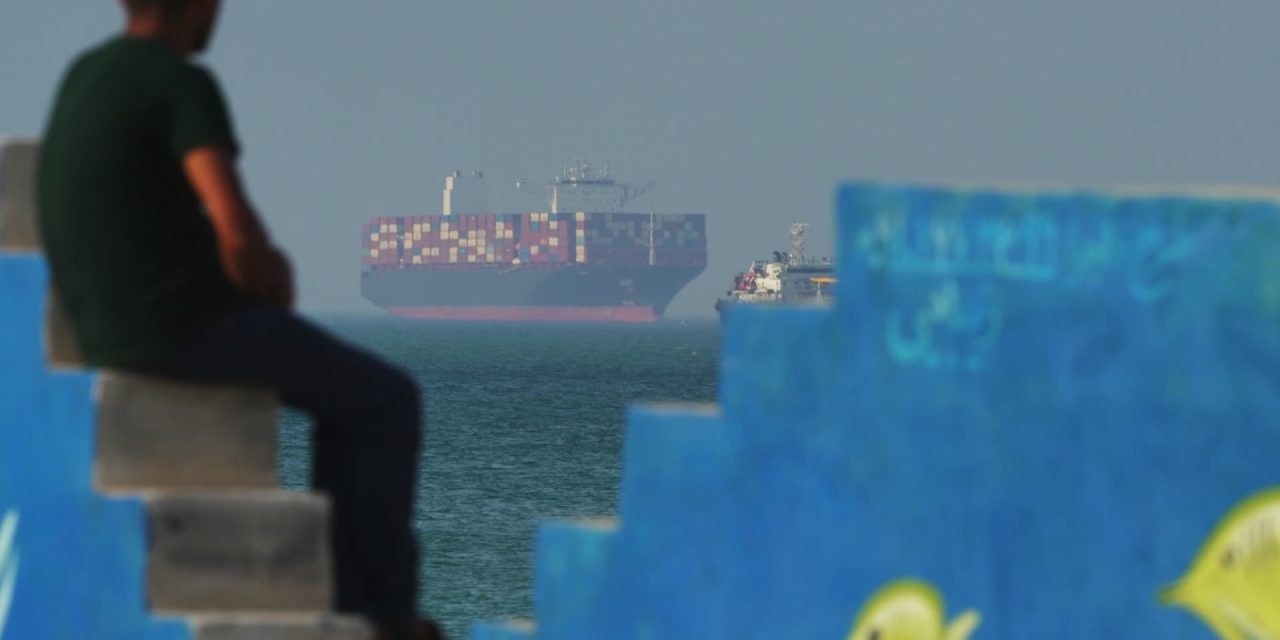
A few months ago, David Navazio, founder and CEO of medical supplies company Gentell, had never heard of the Strait of Hormuz. But now the narrow waterway, thousands of miles from the company’s headquarters in Yardley, Pennsylvania, is impacting the company’s operations in more ways than one.
The most important factor is price, with Gentell under pressure from multiple angles. The company relies on derivatives from oil and gas production to manufacture its products, including medical dressing materials. The cost of some raw materials has increased by up to 30%.
And with a global presence spanning five continents, transporting these products has become much more expensive. Navazio said the cost of shipping a container from New Zealand to California is now about $4,500 – up from about $2,000 before the war.
For Americans, prices at the pump are the most visible sign of the war in Iran, where the national average has shot to a nearly four-year high of more than $4.50 a gallon. But petrochemicals from oil and gas production are found in more than 6,000 products that consumers use every day – including aspirin, keyboards, perfumes, contact lenses and vitamin capsules.
When these raw material costs rise, companies must decide whether to pass the increase on to consumers and potentially face lower demand, or whether to keep prices lower at the expense of company margins.
While Gentell’s costs are rising, they can’t pass on all of the higher expenses for now because their largest customer is the U.S. government through the Medicare program. Gentell supplies products to nearly 5,000 nursing homes in the United States, and these contracts are typically on an annual basis. Ultimately, Navazio said, “the government is really going to be affected by all of this.”
Currently, Gentell Chief Operating Officer Kevin Quilty said the higher prices represented “a bit of a margin crunch” for the company. He said that while the company hopes the volatility in commodity prices is short-term in nature, there will be “some trickle-down effect in terms of our pricing.”
The oil price shock from the closure of the Strait of Hormuz is just the latest headwind the company has faced, having also struggled with tariff uncertainty and supply chain disruptions due to the Covid-19 pandemic.
Quilty said the pandemic had, in some ways, prepared the company for the current price shock, as it highlighted the need to meet schedules and commitments from suppliers. At this point, Quilty said the pandemic presented a greater challenge to the company than the current environment.
But everything will depend on how long traffic through the Strait of Hormuz remains largely at a standstill. President Donald Trump said Sunday that talks to end the war with Iran and reopen the strait are continuing, but urged his negotiating team not to rush into an agreement.
Experts also say it will take months for traffic to return to prewar levels once the waterway reopens.
“We hope that … once the war in Iran ends and the strait opens … hopefully oil prices will go down,” Navazio said.
Asked what happens if the conflict is not temporary, he said firmly: “Then we raise the price.”
Watch the video to learn more.
Choose CNBC as your preferred source on Google and never miss a moment from the most trusted name in business news.