


















Employers not expanding coverage of GLP-1 obesity drugs: survey
A version of this article first appeared in CNBC’s Healthy Returns newsletter, which brings the latest health news straight to your inbox. Subscribe here to receive future editions.
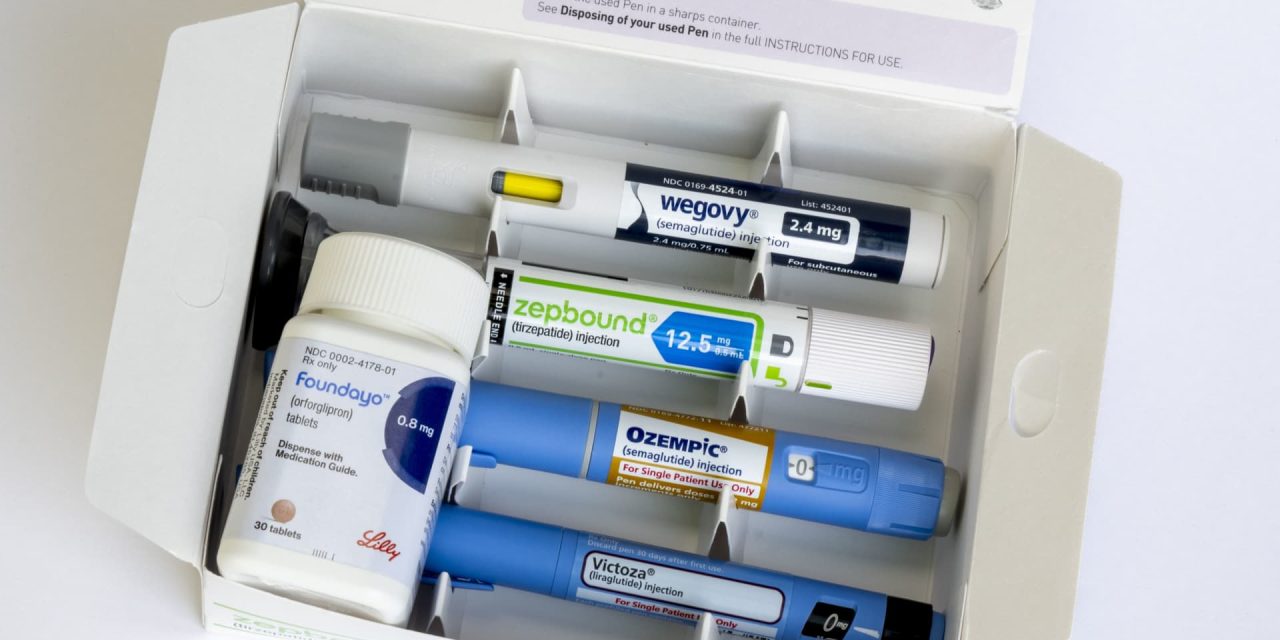
As new GLP-1 drugs enter the U.S. market and groundbreaking Medicare coverage rolls out, one thing remains the same: Most employers still don’t cover the cost of these weight-loss drugs.
Many health insurance companies actually find ways around this.
“It’s a struggle to keep costs down,” Justin Held, director of educational programs at the International Foundation of Employee Benefit Plans, said in an interview. “It seems like they aren’t necessarily offering weight loss coverage, but are instead focusing on how they can support the overall health of their employees.”
The results come from a survey published on Tuesday by the non-profit organization IFEBP, which involves more than 33,000 member companies or public institutions. The study was conducted in June among nearly 300 employer health plans in the United States
According to the survey, about 36% of employers said they offer GLP-1 coverage for both diabetes and weight loss, the same as in 2025 and an increase from 34% in 2024.
Meanwhile, 60% of employers said they only cover diabetes, up from 55% in 2025 and 57% in 2024. About 45% of plans said they cover GLP-1 for other approved conditions such as obstructive sleep apnea and heart disease.
The fact that employer involvement in weight loss has remained stagnant compared to last year is no surprise.
Health insurance companies have long been afraid of the high costs associated with covering the costs of GLP-1 drugs Eli Lilly And Novo Nordisk, Especially since demand is rising sharply in the USA. To contain costs, tariffs have limited insurance coverage or stopped it altogether.
Cost remains a major factor in employer decisions surrounding GLP-1 coverage, Held said. In 2026, respondents reported that medications accounted for 11.4% of annual claims, up from 6.9% in 2023.
But employers are finding other ways to support employees who want to use these drugs.
“The cost burden is so great that they’re saying there are other ways to do this and at the same time want to take advantage of those benefits to recruit and retain these people,” Held said.
About 27% of employers encourage their employees to get GLP-1 through a direct-to-consumer platform, while 21% urge their employees to use their FSA, HSA or integrated HRA dollars for the treatments.
Held said with costs rising, this is a “great opportunity for employers to communicate the benefits they already offer in this area.”
For example, 74% of plans said they offer disease and chronic disease management, 61% offer nutritional counseling, and another 61% offer bariatric surgery. Employers said they also cover benefits such as lifestyle modification programs, other non-GLP-1 medications, and non-drug weight loss interventions.
So what will it take to get more employers to adopt GLP-1 obesity coverage and foot the bill?
What could tip the scales, Held says, is evidence that adopting these drugs ultimately reduces costs in other areas. This could look like fewer knee replacements and bariatric surgeries, or increased productivity and better wellbeing outcomes.
“When things like this happen, they might say it’s worth offering full weight loss coverage as well because the impact on the other areas of our organization is so positive,” he said. “But we just haven’t seen that yet.”
While some studies and estimates suggest that GLP-1’s downstream savings could offset the high costs to the healthcare system, there is not yet comprehensive, measurable evidence of this based on real-world data.
We may get our first glimpse of savings after a relaunched 18-month program that allows Medicare to cover GLP-1 obesity services for the first time.
By then, around 9% of employers are considering introducing GLP-1 obesity insurance. We will continue to monitor how this may change over time.
Feel free to send tips, suggestions, story ideas and data to Annika at a new email address: annika.constantino@versantmedia.com.


