
















Snail worms in cattle could push record beef prices back up this summer
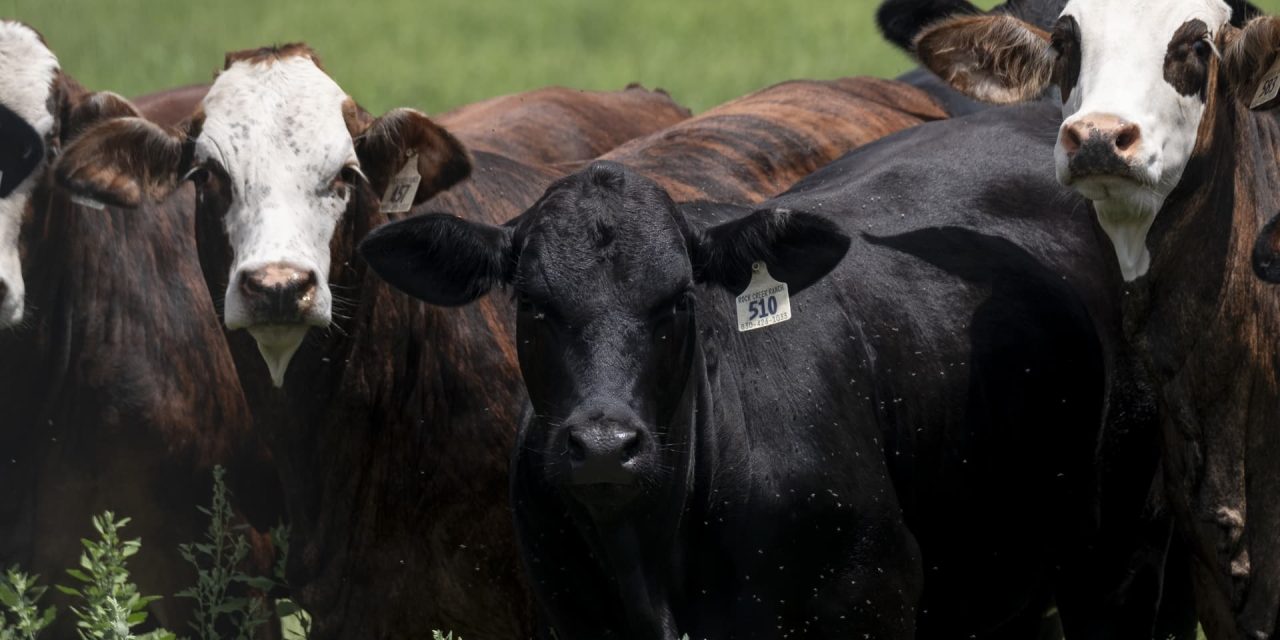
Cattle roam a field on June 6, 2026 in La Pryor, Texas.
Joel Angel Juarez | Getty Images
The arrival in Texas of the invasive New World screwworm, a parasitic fly whose larvae burrow into the flesh of living warm-blooded animals, could exacerbate existing inflation problems for Americans already struggling with high beef prices.
Carmen Smith and her fiancé Jim moved to San Diego County from North Carolina in late 2024. They’ve managed to keep up with the generally higher cost of living in California, but she notes that beef prices have risen since last year and fears they’re likely to rise even further now.
“We’ll be eating more chicken and seafood, although I’m not a fan of the latter,” Smith said.
“I already give up meat three times a week, but my fiancé is going to have to give up his steak for a while,” Smith said.
Consumers received some relief from the just-released Consumer Price Index report, which tracks inflation across a wide range of goods and services. According to the CPI report, ground beef prices fell -1.27% in May, but after a 2.7% increase in April, beef prices rose 12.9% year-on-year.
Switching to more affordable cuts is the way Americans have dealt with past periods of beef inflation, said Goran Haiem, founder of Destination Wagyu, a high-end beef brand based in Los Angeles that offers a subscription service that delivers premium Wagyu beef directly to consumers and restaurants. Their most popular item is a ribeye steak for $175.
“Chicken has always been the valuable substitute for beef,” Haiem said. “What I’m seeing are promotions on things like chicken, ground beef and cheaper cuts of beef. The premium cuts of beef are more likely to see price increases,” Haiem said.
Given the impact of historically low cattle supply in the U.S., Haiem doesn’t expect higher prices to end any time soon. However, if the outbreak is contained quickly, already volatile beef prices could at least stabilize at current levels.
“Right now we’re at a 75-year low in U.S. cattle numbers, and that’s not helping because the snailworm is further disrupting ranchers as they expand their herds,” Haiem said.
The screwworm can cause painful wounds that can become life-threatening if left untreated, and the pest poses a threat to livestock, wildlife, pets and, in rare cases, humans. Despite the health and economic concerns, government officials and industry executives have said there is no threat to the food supply or public health.
Colin Woodall, CEO of the National Cattlemen’s Beef Association, the industry’s largest and oldest trade group, stressed the security of the country’s beef supply and said the arrival of the screwworm was no surprise.
“We’ve been expecting this for some time. It’s not a shock to the supply. It’s a pest, and like many other pests, we have to deal with it,” Woodall said, adding that ranchers have products to treat cattle and keep them healthy.
“This will have no overall impact on beef supplies,” Woodall said. He pointed to a similar battle with the fly in the 1960s and noted that this time there are far more resources to combat it.
Last December, the U.S. Food and Drug Administration granted conditional approval to a pour-over product from Merck Animal Health for the prevention and treatment of New World screwworm. This is one of many treatment options on the market, some of which the USDA has accelerated access to in light of current concerns.
“We have products that can penetrate and kill the pest,” Woodall said. Unlike bird flu, which spreads from bird to bird and forces farmers to eliminate entire herds, there is no scenario in which the screwworm caused a mass killing of cattle.
“It’s not a virus, it’s not a disease, it’s just a small pest, a larva that ends up in a calf’s wound, for example, and it can be treated,” U.S. Agriculture Secretary Brooke Rollins said in an interview on CNBC’s “Squawk Box” this week.
Tensions flared this week between the Trump administration and Texas state officials. Rollins on Monday called Texas Agriculture Commissioner Sid Miller “untrustworthy” after he criticized the USDA’s response to the threat.
While treatments may work on a case-by-case basis, medications cannot eradicate screwworm.
Woodall said the best defense against the flies is to release sterile males into the wild. “This is the best technology we have. Put sterile flies in the wild – the female flies mate once in their life, and they mate with a sterile male, and that stops the spread,” Woodall said.
To stop the spread, about 500 million sterile flies will need to be released per week, far more than the current rate of about 100 million per week. A sterile fly facility is currently being built in Texas, which will allow the U.S. to ramp up production. He expects capacity to reach 500 million per week by 2027.
The cost of raising cattle will increase
However, the current situation means additional costs for livestock farmers, who have to incur additional labor, veterinary fees and monitoring costs.
“All of this depends on your bottom line as a producer, so it will have a significant economic impact on ranchers,” Woodall said.
Any price increases ultimately occur after the beef leaves the farm. “Demand for beef is at a 40-year high. If you’re a rancher in Texas today, you can’t control what the price of steak is,” Woodall said.
Brandon Parsons, an economist at Pepperdine Graziadio Business School, predicts higher beef prices for consumers, but said consumers have not balked, at least so far. If prices continue to rise, trade downs will follow. According to Parsons, what is currently happening with beef comes straight from college economics textbooks.
“When supply contracts and demand remain relatively stable, prices go up, and that’s Economics 101 — and that’s exactly what we’re seeing,” Parsons said, noting that consumers haven’t turned away from beef even as supplies shrink.
While tariffs that had impacted beef prices have recently been eased, the damage has already been done, with the smallest cattle herd in 75 years adding to price pressures due to ongoing droughts in several regions and the suspension of cattle imports from Mexico, Parsons said.
The suspension of live cattle imports from Mexico removed an estimated 1.2 million feeder cattle from the annual supply chain Feeder Cattle Futures Record highs. The supply curve has already shifted far to the left, and the screwworm threatens to shift it even further.
“The screwworm outbreak is a potentially severe supply shock at a time when beef supplies are already at historically low levels,” Parsons said. “Given that this possible screwworm outbreak could result in a major supply shock on top of an existing supply shortage, prices could continue to rise,” he added.
How all this will play out on the grocery shelf remains somewhat uncertain and will depend in part on how much consumers want that steak or roast. He predicts grocers will raise beef prices, but says it may not be as dramatic as the recent inflationary spike in egg prices (which have since fallen dramatically) because eggs tend to be more price inelastic given their role as a staple.
“Although there are other meat substitutes, many people prefer beef, which will keep demand relatively stable,” Parsons said. However, there will come a point where people will start substituting beef for chicken or buying smaller cuts, which will limit grocers’ ability to raise prices without reducing the quantity demanded, he added.
“Despite supply-side constraints and record-high retail prices, U.S. consumers have so far shown some price insensitivity to beef price increases – but there is a price point beyond which substitution increases,” Parsons said.
Chicken and pork are the direct beneficiaries when the price of a good increases and consumers tend to switch to substitute products. Overall inflation and its impact on consumers’ disposable income would also play a role in these decisions, he said.
For some, disposable income for beef is already falling.
Judi Gawor, a senior living on a fixed income in Hendersonville, North Carolina, is one of those keeping a close eye on the current screwworm situation. “I definitely fear that beef prices will rise even more than they already have because of the snailworm debacle,” Gawor said, noting that in today’s world she expects any excuse to raise commodity prices will result in that. “If beef prices continue to rise, we’re going to eat a lot of chicken,” she said.
—Annika Kim Constantino contributed to this report.
Choose CNBC as your preferred source on Google and never miss a moment from the most trusted name in business news.