














What it means for patients, drug manufacturers and prices
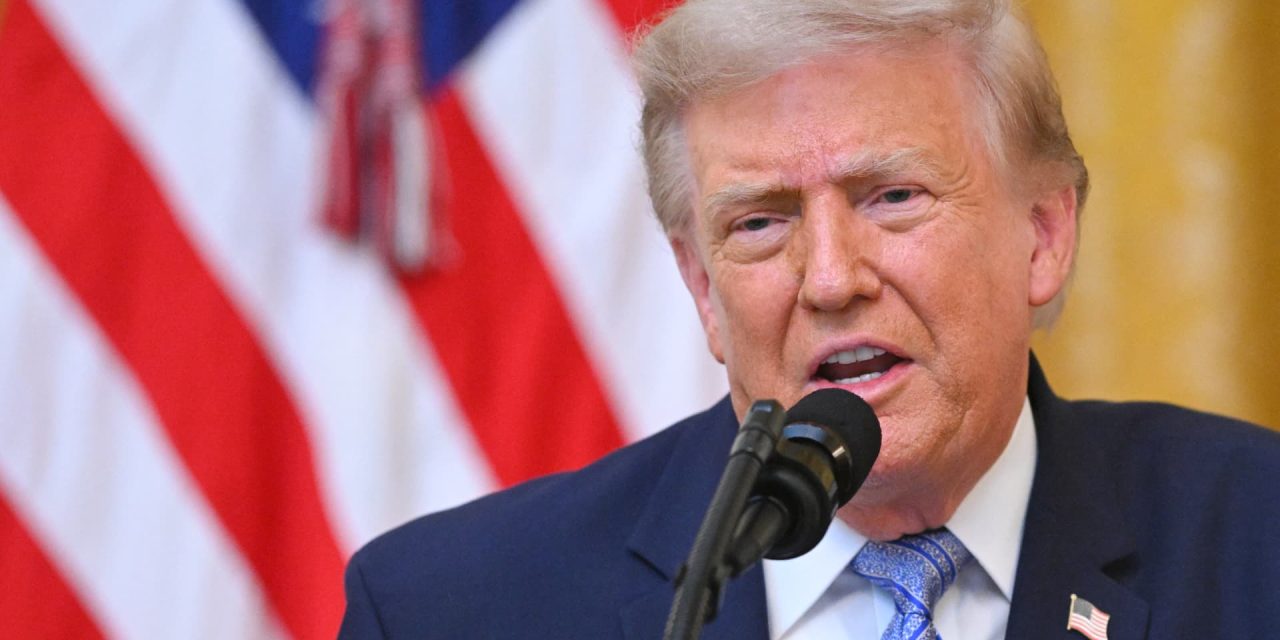
President Donald Trump’s proposed tariffs on imported generic drugs have raised new questions about whether low-cost drugmakers can shift production to the U.S. before tariffs of up to 200% take effect.
Trump said Tuesday that no tariffs would be imposed on imported generic drugs for two years before raising tariffs to 100% for a year and then to 200%, giving manufacturers time to invest in U.S. production.
The proposal targets a growing global industry that is currently worth nearly $500 billion.
While the administration says tariffs will help bring pharmaceutical production back to the U.S., the generics industry argues that long-standing structural challenges, not just trade policy, are limiting domestic production.
“We need to better understand the details of the policy, but the generic drug industry is committed to pursuing policies that support and stabilize both the industry and necessary access to ensure patients have reliable options for affordable medications,” John Murphy III, president and CEO of the Association for Accessible Medicines, said in a statement to CNBC.
Murphy said the industry has expanded its U.S. presence throughout the supply chain over the past two years, but argued that purchasing and reimbursement issues for many generic drugs continue to hinder further domestic production.
Here’s what you should know.
Why are generics different from brand-name medications?
Patented drug manufacturers and generic drug manufacturers have very different business models, meaning they will likely experience different impacts from potential tariffs.
Manufacturers of brand-name drugs typically spend years developing expensive new drugs and, once approved, benefit from exclusivity that allows them to sell these drugs for a limited period of time without direct competition. These companies generally have higher margins and greater flexibility to absorb higher manufacturing costs.
A 100-200% tariff on a product with single-digit margins is a sign of exit from the market.
Salil Kallianpur
Independent pharmaceutical consultant
In contrast, generic drug manufacturers enter the market after patents expire and often compete with other companies selling identical versions of the same drug, competing on price, production efficiency, and size.
This means that even relatively small increases in manufacturing costs can have an outsized impact on profitability.
Generic drugs account for about 90% of prescriptions in the U.S. but account for a relatively small share of total drug spending due to their lower prices.
Can generic drug manufacturers absorb the tariffs?
Industry officials say many manufacturers have limited room to absorb tariffs of up to 100% or 200%.
Manufacturers facing higher costs would have limited options: accept the tariffs, pass them on to customers, invest in moving production to the U.S. over time, or stop selling products that become uneconomical.
According to Namit Joshi, chairman of India’s Pharmaceuticals Export Promotion Council (Pharmexcil), building a domestic ecosystem for generic drug manufacturing takes at least four to five years, suggesting that Trump’s two-year implementation deadline may not be enough to achieve meaningful onshore production.
Indian manufacturers also have low margins, he said. “We can only transfer this tariff. Or we can withdraw from the market,” Joshi told Indian news agency ANI.
Independent pharmaceutical consultant Salil Kallianpur said the economic situation is particularly challenging for mass generic drug makers exporting to the US
Soumyabrata Roy | Photo only | Getty Images
If manufacturing costs rise sharply, companies may need to absorb some of the increase, pass it on to customers, invest in relocating production over time, or stop selling products that are no longer commercially viable.
“A 100-200% tariff on a product with single-digit margins is a market exit announcement,” Kallianpur told CNBC via email.
If this remains as written, the effect is likely to be a divide where companies with existing U.S. manufacturing presence or complex specialized portfolios can adapt, while pure commodity exporters without a U.S. presence have no obvious answer, he said.
Will drug prices rise?
It remains unclear whether the proposed tariffs would ultimately increase drug prices, as much depends on how the policy is implemented and how manufacturers respond.
The administration argues that the tariffs will encourage companies to make more drugs in the U.S., strengthening domestic supply chains in the longer term.
Industry officials, meanwhile, say tariffs could put additional pressure on an industry where prices are already depressed by intense competition.
Many generic drugs sold in the United States are manufactured in India, while China supplies many of the active pharmaceutical ingredients used to make finished drugs. These supply chains have evolved over decades to lower production costs.
Murphy said the generic drug industry supports expanding U.S. production but believes broader policy changes are also needed.
“Our industry has several legislative and regulatory solutions to address market deficiencies, and we look forward to engaging with the administration and Congress to find solutions that restore the growth of the generic drug industry and emphasize its place as an important national security asset here in the United States,” he said.
Which drug manufacturers could be most affected?
The impact is also likely to vary significantly depending on the company.
Analysts at Jefferies and Citi say manufacturers with significant U.S. production, such as Amphastar Pharmaceuticals, ANI Pharmaceuticals, wisdomAnd Fresenius Kabiappear to be in a better position if tariffs are broadly implemented as proposed.
Companies incl Teva, Viatris And Apotex have greater risk because they make a larger share of the products sold abroad in the U.S., although analysts note that much depends on final policy.
A key open question is whether the tariffs would apply only to imported finished drugs or also to drugs manufactured in the United States using imported active pharmaceutical ingredients.
Sandozone of the world’s largest generic drug makers, told CNBC it was too early to evaluate the proposal because “further details on the implementation and scope of the measure are still needed.”
The Swiss company declined to comment on whether the announcement might impact its manufacturing footprint or future investment plans.
What happens next?
Kallianpur said that for now, investors appear to be viewing the two-year implementation period as breathing room rather than an immediate disruption.
Generic drug makers broadly expected the Trump administration to expand its drug tariff strategy to include generics, after months of similar proposals on brand-name drugs, he added.
US pharmaceutical tariffs spare Indian manufacturers of generic drugs – but unsettle investors
“What’s new here is not the direction but the specificity,” he said, pointing to the schedule of two tariff-free years, followed by tariffs of 100% and then 200%.
Much now depends on how the government defines domestic production and implements the policy.
If the generic drug tariff follows the framework previously laid out for branded drugs, Kallianpur said companies may only have to demonstrate that U.S. manufacturing projects are underway, rather than fully operational before the deadline.
That distinction could influence how manufacturers respond over the next two years and whether Trump’s proposal results in a significant expansion of U.S. drug production or simply a wave of announcements for new factories before the tariffs take effect.
Choose CNBC as your preferred source on Google and never miss a moment from the most trusted name in business news.


