
















The growing market of GLP-1s
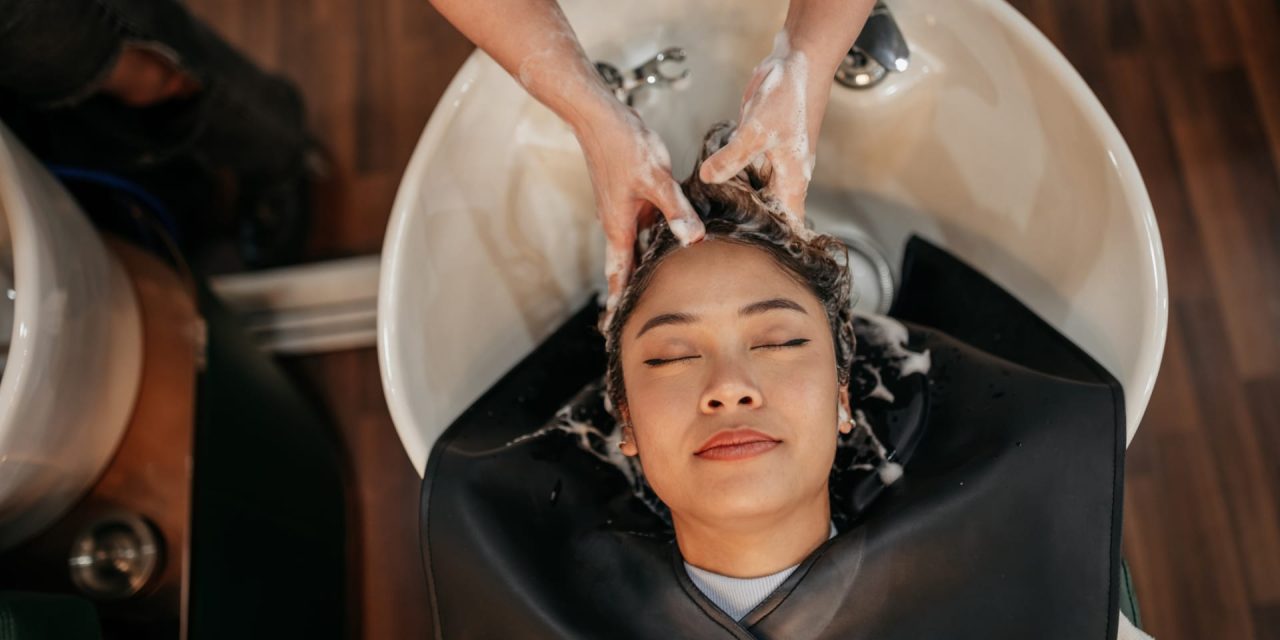
When Branneisha Cooper first started taking Mounjaro GLP-1 injection in late 2022, she heard online that she might experience temporary hair loss and prepared for the worst.
However, it would be about a year before she noticed her hair falling out in clumps. Cooper said it was particularly shocking because she has always had thick hair.
“I was really hoping it wouldn’t happen,” Cooper, 29, told CNBC. “My doctor had told me that taking medications that allow for faster weight loss can cause hair loss.”
Desperate to counteract the side effect, Cooper said she started prioritizing protein in her diet, taking vitamins meant to help her hair, and investing in hair care products meant to stimulate the scalp to encourage growth.
She is one of a growing number of GLP-1 users experiencing temporary hair loss from the drugs, creating a new market for hair treatment products amid the weight-loss drug boom.
Cooper took to social media for support and found numerous other GLP-1 users who felt the same way. While the discourse was less frequent at the beginning of her weight loss journey, the rise in GLP-1 has resulted in more people flocking to her page for commiseration and strategizing.
“There are more and more people who want to know how to deal with it, but there are also a lot of people who want to know how they can possibly prevent it, and I just don’t have the answer to that,” Cooper said.
According to Gallup, consumption of GLP-1 drugs has more than doubled since the beginning of 2024. The KFF Health Tracking survey found that about one in eight U.S. adults, or nearly 13%, are currently taking a GLP-1 drug.
JPMorgan estimates that about 25 million Americans will have a GLP-1 device by 2030, up from just 5 million in 2023.
Profit despite loss
Many GLP-1 users have seen significant weight loss results. But the medications also have a variety of side effects.
Zepbound, manufactured by the pharmaceutical giant Eli Lillytouts common side effects on its website, including hair loss, nausea and vomiting, fatigue, and more. Mounjaro, also a Lilly drug, warns of similar side effects Novo NordiskThis is Ozempic. Wegovy also counts hair loss among its possible side effects.
According to Dr. According to Dr. Heather Woolery-Lloyd, a dermatologist and chief medical advisor for hair care brand Nutrafol, it’s a risk that’s common with any type of significant weight loss due to changes in the body.
“When you lose weight, whether through GLP-1 or another type of weight loss, you may consume fewer nutrients and proteins, and the weight loss itself can be a stressor,” she told CNBC.
According to Circana, these consumers are increasingly looking for solutions to make the physical process easier. The Chicago-based market research firm estimates that GLP-1 households spend about 30% more on beauty products than non-GLP-1 households.
“Hair loss solutions continue to be a prominent growth segment in hair care, supported by ongoing consumer stress since the pandemic and the use of GLP-1 drugs increasingly emerging as a tailwind,” said Larissa Jensen, beauty industry advisor at Circana. “Many GLP-1 users report temporary hair loss, leading to increased demand for at-home growth treatments, scalp serums and supplements.”
According to Woolery-Lloyd, the damage to a GLP-1 user’s confidence caused by hair loss can cause even more stress.
She said she has seen a noticeable increase in patients in her practice specifically addressing hair loss, many due to GLP-1 side effects. Woolery-Lloyd said the last time she saw an influx of patients with these concerns was during the pandemic, due to unexpected stresses on the body.
According to Audrey Depraeter-Montacel, global beauty leader at Accenture, GLP-1 hair loss is one of the most serious side effects seen in the beauty industry.
“GLP-1s have changed not only the way people lose weight, but also the way consumers expect beauty and personal care to address this situation,” she told CNBC, adding that it’s not a “one size fits all solution.”
Depraeter-Montacel called the size of the GLP-1 market “unprecedented” and said the business opportunity for the hair treatment market given this growing population creates the framework for innovation.
“On the life sciences side, we see many pharmaceutical brands raising funds to drive innovation and new solutions,” she said. “So a lot of money has been raised in the name of this opportunity, which I think confirms that there is definitely a commercial opportunity here with investors on both sides putting money into this opportunity.”
Consumers looking to enter the GLP-1 hair treatment market are also sticking around, Depraeter-Montacel said. Since it often takes several months for hair treatment products to show initial results, these customers are expected to be highly loyal.
Open up the market
Brands are taking notice. beginning of April, Ulta CEO Kecia Steelman told Yahoo Finance that the company is seeing more consumers buying hair treatment products as a result of the GLP-1 enthusiasm.
Redken, a hair care company owned by L’Oréalhas developed a complete hair treatment line specifically for consumers with thin hair called Acidic Grow Full System.
“We wanted to ensure that the Acidic Grow Full System range was tested on this specific group of GLP-1 users as they may have specific hair care needs,” Redken US general manager Mounia Tahiri told CNBC. “[It] was tested on current GLP-1 users who immediately noticed that their hair looked fuller and felt thicker when using the products.”
Tahiri said the company has also seen an increase in Google searches for hair loss and weight loss medications and plans to continue innovating its hair treatment products given the growing GLP-1 population.
Cindy Gustafson, CEO of Nutrafol, told CNBC that the hair care brand is also seeing increased demand for hair health products.
“While we do not break down the performance associated with GLP-1 usage, overall growth is being driven by increased awareness and a shift toward personalized, clinically supported solutions,” she said.
Gustafson said the company expects this growth to continue as more people begin taking GLP-1 and look for products that prevent or address hair loss.
KeraFactor, another scalp health company, told CNBC that it is seeing 100% year-over-year growth due to increased interest from GLP-1 users in its direct-to-consumer store.
“We have seen a lot [hair loss] “So during Covid, that was actually the first spike in the number of patients coming to KeraFactor, and post-Covid that kind of died down,” Lauren Bartholomeusz, the company’s chief commercial officer, told CNBC. “And now we’re seeing that surge again with the GLP-1 enthusiasm.”
Bartholomeusz said KeraFactor has now changed the way patients are treated from a more preventive perspective to prevent possible hair loss while taking the medication.
There could be light at the end of the tunnel for Cooper, the 29-year-old GLP-1 user.
She has experimented with many hair products and taken weight loss medications over the past three years in the hope that her hair will return to its former thickness.
“For about a year now I’ve been paying more attention to it and I’ve noticed it’s come back,” Cooper said. “A lot of people get nervous when their hair falls out because they think, ‘Oh, I’m going to be bald forever.’ But the hair is coming back, so I’ve been able to find peace with it. But it was scary.
Choose CNBC as your preferred source on Google and never miss a moment from the most trusted name in business news.