









Israeli NGO is among 36 organizations calling for global reform of live animal transport
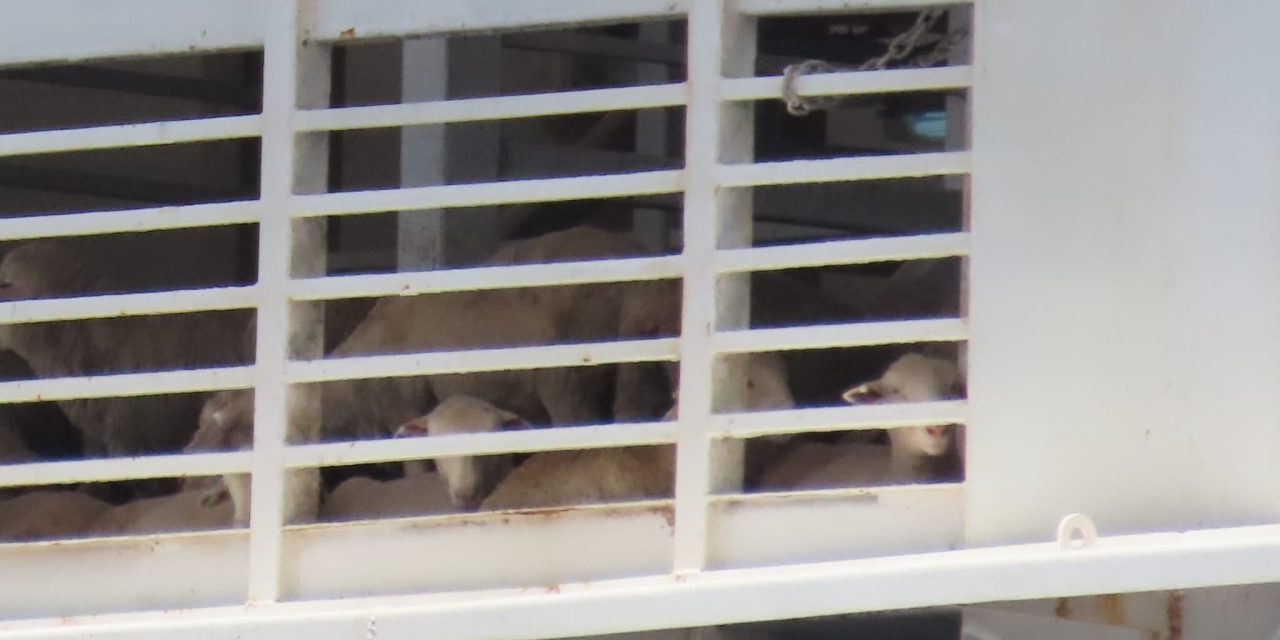
An Israeli NGO is among 36 international animal rights organizations calling on the International Maritime Organization to reform the transport of live animals by sea for fattening and slaughter at their destination.
The appeal, filed last week but made public Tuesday, cited ongoing threats to human life, animal welfare and the marine environment.
The IMO, which regulates global shipping, counts Israel as a signatory to important conventions, including the MARPOL Convention for the Prevention of Marine Pollution, to which Israel has been a party since 1952.
In parallel with the international appeal, Israel Against Live Shipments, led by the organization Freedom 4 Animals, has written to the Israel Shipping and Ports Authority, calling on the government to comply with its international obligations.
According to the Ministry of Agriculture, 148 shipments of live animals containing 600,000 animals have arrived in Israel since the beginning of this year.
Get the daily edition of The Times of Israel
by email and never miss our top stories
By registering you agree to the terms and conditions
Freedom 4 Animals said many arrived on aging ships, such as the already 50-year-old Tuleen. The ship, the organization said, was converted from a cargo ship and was never designed to safely transport livestock.
Footage released on June 13 by the animal rights group Israel Against Live Transport shows what the group says are cows that died on an Australian ship en route to Eilat. (Facebook screenshot)
Tuleen is one of more than 10 old ships still in use for Israeli animal imports, some of which should have already been scrapped due to structural fatigue, the organization added.
According to the organizing coalition, sick or dead animals are regularly thrown into the sea, often without identification or ear tags, in violation of international conventions.
Over the past three years, dozens of such unidentified animal carcasses have washed up on Israel’s shores.
Since 2000, at least seven live export vessels have been lost at sea, the letter to the IMO said, resulting in the deaths of dozens of crew members and tens of thousands of animals. Major incidents include Gulf Livestock 1, Queen Hind, Danny F II, Haidar and Al Badri. The appeal follows the recent MS Spiridon II disaster.
In September, 52-year-old Spiridon II left Uruguay en route to Turkey with 2,901 calves. When it arrived over a month later, the Turkish Ministry of Agriculture refused to unload it, saying the 500 ear tags did not match the paperwork. On Wednesday, the ship was in Beirut, Lebanon, with its live cargo still on board. So far, 48 calves have reportedly died and water and food supplies are running low.
Animal welfare groups have long reported that live transport animals suffer from extreme heat stress, severe overcrowding, disease and prolonged, sometimes weeks-long confinement in waste-filled conditions. Meanwhile, crews face unsafe work environments, illness and serious structural hazards, including animal deck collapse.
Calves on a live shipment from Australia to Eilat for fattening, before slaughter, December 2019. (Israel Against Live Shipments)
New Zealand and India have banned live deliveries. The UK has imposed a ban and Australia is in the process of gradually lifting it.
A live shipment of animals destined for fattening and slaughter in Israel arrives at the port of Eilat on the Red Sea coast, June 19, 2023. (Omri Omessi)
A statement from Israel Against Live Shipments said: “Our goal is to end the live shipping madness as quickly as possible and without delay. Until the Israeli Knesset passes a law banning live shipping, we are working to improve the conditions on board the ships to alleviate the suffering of animals and prevent unnecessary pain.”
At the end of 2018, the Knesset gave the green light in its preliminary reading to a bill that would stop the annual transport of hundreds of thousands of lambs and calves from Australia and Europe to Israel for fattening and slaughter. However, a series of elections followed and the bill never advanced.
They value our journalism
They clearly find our careful reporting valuable at a time when facts are often distorted and reporting often lacks context.
Your support is essential to continuing our work. We want to continue delivering the professional journalism you value, even as the demands on our newsroom have increased dramatically since October 7.
So consider joining our reader support group today. The Times of the Israel Community. For just $6 per month, you can become our partner and enjoy The Times of Israel at the same time AD FREEand access to exclusive content only available to members of the Times of Israel community.
Thank you very much,
David Horovitz, founding editor of The Times of Israel
Join our community. Join our community. Are you already a member? Log in to stop seeing this