














Trump closes deal with Eli Lilly and Novo Nordisk
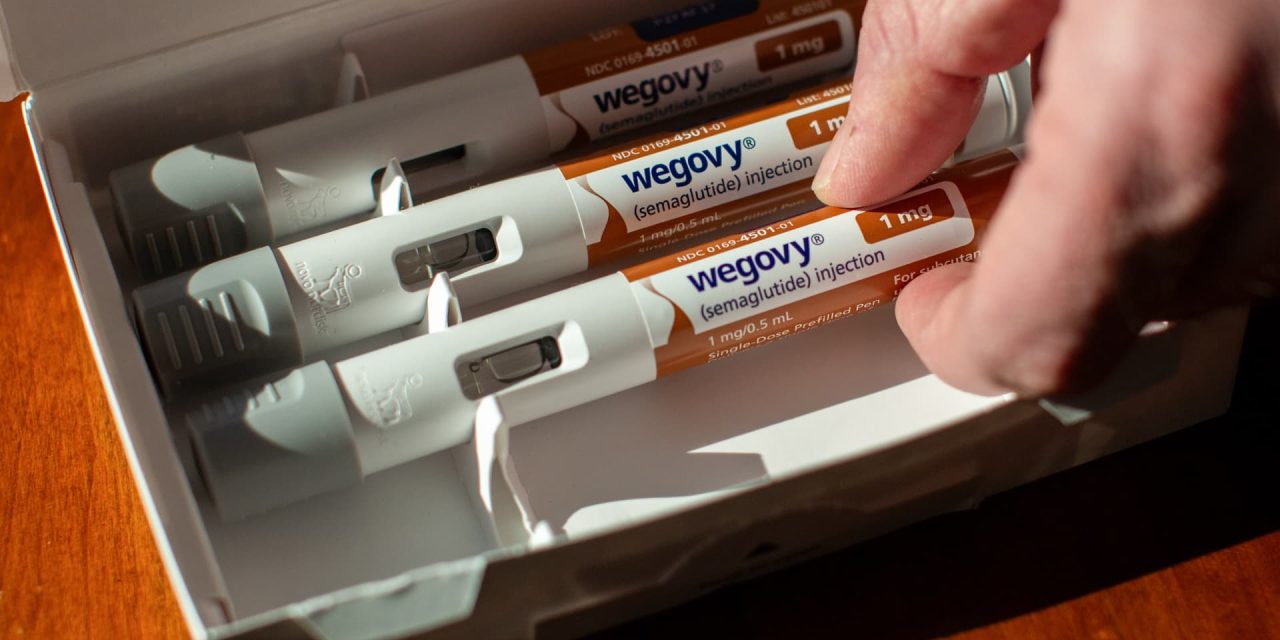
Wegovy injection pens arranged in Waterbury, Vermont, USA, on Monday, April 28, 2025.
Shelby Knowles | Bloomberg | Getty Images
President Donald Trump made groundbreaking agreements on Thursday Eli Lilly And Novo Nordisk to lower the prices of their blockbuster weight loss drugs.
Under the agreements, monthly out-of-pocket costs for popular shots and upcoming pills could range from $50 to $350 starting next year, depending on a patient’s dosage and insurance coverage, Trump administration officials said.
Existing GLP-1 drugs, including Eli Lilly’s obesity shot Zepbound and Novo Nordisk’s competitor Wegovy, have list prices of more than $1,000 a month, discouraging many patients from taking them. Both companies have introduced lower-cost options for people who pay cash and buy the drugs directly through their websites.
But the deals with Trump as part of his “most favored nation” policy push these efforts to expand access even further. Here’s how much weight loss drugs could cost patients under the new deals, based on details shared so far.
Medicare
Medicare has covered GLP-1 drugs for diabetes and some other diseases: for example, Wegovy for reducing cardiovascular risks. But under the new agreements, Medicare will begin covering obesity medications for the first time starting in mid-2026, which could allow more seniors to qualify for those medications and encourage more private insurers to cover them.
Certain Medicare patients pay a $50 per month copay for all approved uses of GLP-1 drugs, including the treatment of diabetes and obesity.
However, the Trump administration is placing some restrictions on which Medicare enrollees are eligible for GLP-1 anti-obesity drugs and cardiovascular and metabolic benefits.
Patients are eligible if they fall into these three cohorts:
- The first includes people who are overweight – with a body mass index of more than 27 – or have prediabetes or existing cardiovascular disease.
- The second group is people with obesity – with a BMI over 30 – and uncontrolled high blood pressure, kidney disease or heart failure.
- The third group is patients with severe obesity or people with a BMI over 35.
Eli Lilly and Novo Nordisk have voluntarily agreed to reduce the prices the government pays for existing GLP-1 drugs already approved for diabetes and other uses to $245 per month for all non-starting doses. The savings generated by these price reductions will allow Medicare to pay the same price for GLP-1 for patients with obesity and high metabolic or cardiovascular risk.
Direct to the consumer
The agreement will also allow patients to obtain GLP-1 on direct-to-consumer platforms at higher discounts than they already receive through drugmakers’ existing websites.
On TrumpRx — the government’s direct-to-consumer platform for purchasing prescription drugs for cash, expected to launch next year — the average monthly cost for Wegovy, Zepbound and other GLP-1 injectable drugs will start at $350 and fall to $250 within the next two years, according to senior administration officials.
The starting dose of Eli Lilly and Novo Nordisk’s upcoming obesity pills will be $149 per month on TrumpRx, Medicare and Medicaid, pending approval. Under the deals announced Thursday, Eli Lilly will receive accelerated reviews of its upcoming tablet.
Eli Lilly said Thursday that it would cut prices by $50 on its own direct-to-consumer platform LillyDirect, which already offers Zepbound and other drugs at a discount to cash-paying patients. Zepbound’s multi-dose pen will be available in the lowest dose for $299 per month, with additional doses costing up to $449 per month.
Once approved, Eli Lilly’s pill will be available at its lowest dose, starting at $149 per month
Medicaid
State Medicaid coverage for GLP-1 obesity drugs is patchy.
But Novo Nordisk and Eli Lilly agreed to extend lower federal prices for their GLP-1 drugs — $245 a month for all other non-starting doses — to all 50 Medicaid programs for all covered uses.
States must opt in to these prices, meaning some may not. Check with your state government about coverage.