














Warren Buffett student Guy Spier’s rare cancer caused him to reevaluate everything
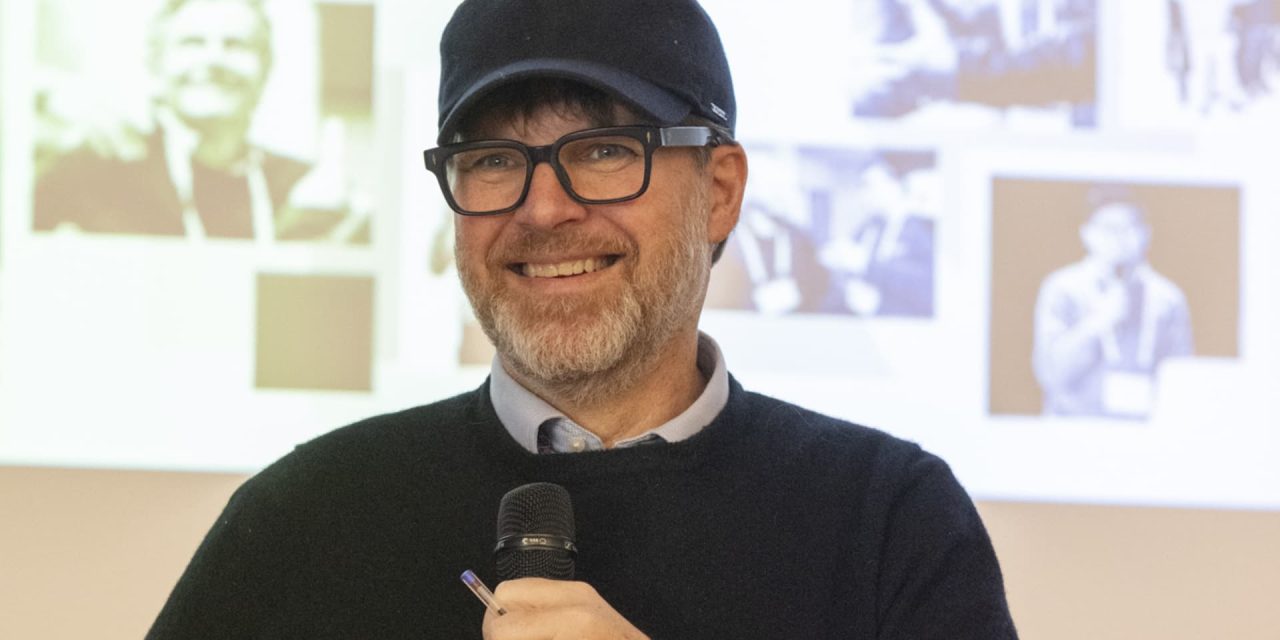
Well-known value investor Guy Spier first came to public attention in 2007 when he and a partner paid more than $650,000 at a charity auction to have lunch with the world’s most famous value investor, Warren Buffett.
Spier, who calls Buffett his hero, founded his Zurich-based fund Aquamarine in 1997. He emulated the Oracle of Omaha’s investment philosophy, which was based on the premise of compound interest. Spier hoped this approach would help him build a similarly long-lasting, if more modest, investment legacy for Aquamarine.
And it worked for years. From 1997 to 2025, Aquamarine’s total returns exceeded the S&P 500, long considered the ultimate measure of a fund’s success. But in November 2024, while returning from a ski trip with his family, a medical emergency forced Spier to confront the reality of his own mortality and redefine how he decides what is valuable in life.
“It was a super cold day in November and on the car ride back to Zurich I had a grand mal seizure,” Spier recalled in an interview for the CNBC Cures podcast “The Path with Becky Quick.”
“I was sitting in the car next to my wife. She didn’t know what was going on,” Spier said during the recent interview Berkshire Hathaway annual shareholders meeting.
Spier was flown to a hospital where he underwent an MRI scan.
“I wake up the next day and find out I have a brain tumor and my life completely changed that day,” Spier said.
It was a grade 4 glioblastoma, an aggressive and fast-growing form of brain cancer. Glioblastomas are rare, affecting about 4 in 100,000 people. There are no truly effective treatments for the disease, with the median survival time for a patient being just 15 months after diagnosis. The five-year survival rate is less than 7%. These numbers have not changed in decades.
In the year following his diagnosis, Spier underwent multiple surgeries to remove cancerous tumors from his brain. But after the cancer recurred following his second resection, he realized that standard treatment would not be enough to keep the disease at bay.
“The tumor is inside. It’s like a seed in the ground, if you will, or a mushroom. It just grows everywhere. So you can’t completely resect it. And even if you get a complete resection, there’s still some of it left,” Spier said.
Close a fund to make money and enjoy life
Spier began to reprioritize his life. He knew he couldn’t continue Aquamarine. Earlier this year, he gave his investors their money back and, in his annual letter, offered a moving and emotional explanation why he was liquidating the fund. Spier said it was a heartbreaking decision.
“It’s a sad thing to have to write about closing your fund,” Spier said. “The way your life… or you thought your life was going… I mean, it’s not the way you want it to be. It’s a tragedy in a way, and it’s a terrible thing.”
But ultimately, Spier said the decision was liberating. It reminded him to value time spent with loved ones over the pursuit of accumulating wealth, and it allowed him to look for ways to enjoy life.
“Suddenly I don’t have the time in the world,” Spier said. “The Grim Reaper’s batting average is 100%. He’ll get us all in the end.”
Spier, who said he hates equating his remaining days with a battle with cancer, said he prefers to think of it as a death game where you earn points for every day you live. He says his goal is to collect as many points as possible and enjoy these days as much as possible.
Pointing to the average survival rate of 15 months, he said: “Somehow I’m doing well. Every day is basically a gift, so I might as well celebrate. I’ve been using NetJets a lot more. I’ve been flying business class and first class a lot more. We got an expensive bottle of wine last night.”
That doesn’t mean Spier is immune to grief.
“I grieve that I may never see my grandchildren again, or that my children may not get married, or that my children may not graduate from college. … Who cares about money at this point?”
Spier, pictured here with his family, says he is grieving because he knows his children are unlikely to reach the important milestones of their lives.
Guy Spier
Spier also said that there are times when he wishes he had done more with his life than just trying to make money in the stock market. “You see these amazing people working their whole lives to make a discovery that could improve our lives,” Spier said. “I have some regrets in that regard.”
But Spier also knows his wealth can help improve the lives of others diagnosed with glioblastoma.
Glioblastoma patients face a bleak future. Without effective treatment, those who receive a diagnosis are often left in a kind of limbo where foregoing traditional cancer therapies – such as chemotherapy, radiation and surgery – can lead to a shortened life. But continuing these treatments, while extending their lives by months, can have devastating psychological and physical consequences. A novel approach is required.
Spier compared the group of patients with glioblastoma to trying to fill an open-drain bathtub. Every year more and more people are diagnosed with glioblastoma. But because they die so quickly, the number of people living with the disease never grows enough to make finding a treatment an attractive investment target for big pharmaceutical companies.
“There are so many people getting the disease, but the bathtub is never filled with the focus and support groups because it is being emptied all the time,” he said.
Spier hopes he can make a difference here.
Spier is committed to using his platform to raise awareness of glioblastoma and pushing for new treatments for others diagnosed with the disease.
Guy Spier
“Maybe I should fund some of this research. I could take a certain portion of the money I’ve built up and fund it, and I’m willing and happy to do that,” he said.
And that’s the message Spier wants to spread. He wants to use his platform to raise awareness about the disease he and so many others like him live with.
“There are a lot of gaps in what we could do to advance cures for rare diseases that just need a little more attention,” Spier said. “I’ll probably invest for a good reason, and I’ll know that I’m not doing it to make money. I’m doing it to advance science.”
Although Spier’s previous professional ambition of turning Aquamarine into an investment institution that could last for decades is no longer viable, he is now able to use the tools he developed during a lifetime of studying financial markets as a means to improve the lives of thousands of desperate families in search of hope.
It is a legacy worth remembering – and a life that has the potential to provide value for generations to come.
For more information about glioblastoma, visit the Glioblastoma Foundation. For more stories like this, sign up for the CNBC Cures newsletter and watch CNBC Cures online.
Choose CNBC as your preferred source on Google and never miss a moment from the most trusted name in business news.