













Republican voters support Medicaid, but want work requirements, finds survey

When the Republicans of the Congress at Medicaid weigh major cuts, most voters do not want the funding to be re -elected to the public health plan.
Only 17 percent of those surveyed stated that they have supported cuts against Medicaid, the state health insurance program, which covers more than 70 million people. Forty percent said they continued to spend unchanged, and 42 percent stated that it would be happy to increase.
At the same time, however, the survey supported significant support for certain guidelines that would restrict the program, e.g. According to the survey, more than 60 percent of the voters – and 47 percent of Democrats – supported a work request.
This change, which was used by some Republicans of the Congress, is estimated to be 100 billion US dollars from Medicaid, since those who were unemployed – or could not submit the paperwork that show that they had a job. In 2024, the cost of the program was 584 billion US dollars or about 8 percent of the total federal expenditure.
The survey also illustrates Medicaid’s wide range. A little more than half of the respondents said that either she or a family member had the cover of Medicaid at one point. It was almost universal that Medicaid executed the local communities of voters from each other. 98 percent of Democrats and 94 percent of Republicans stated that they are something or very important.
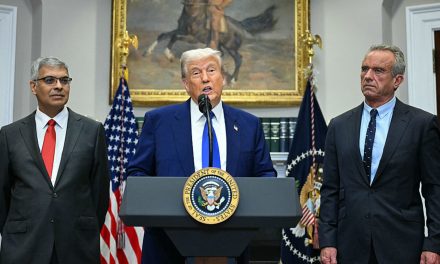
The Republicans in the congress consider several changes to Medicaid because they are looking for ways to pay President Trump’s tax cuts. Last month, the house passed a budget that, if it was approved by the Senate and signed by the President, was able to do up to 880 billion US dollars from the program in the next decade. This could be done with work requirements, upper limits for federal expenditure for the program or the reduction of the Federal Government’s cost share that the Federal Government pays.
Although the survey of the survey was generally for the work requirements, they had misunderstandings about politics: 62 percent of the voters believed that most medicaid participants are unemployed, although a vast majority actually have jobs.
The Republican voters also commented on openness to reduce the financing for the Affordable Care Act Medicaid expansion. The federal government currently pays 90 percent of the costs for participants in expansion who tend to be healthy adults. This is a higher proportion than what it covers for other participants such as children or disabled people.
64 percent of Republican voters and a total of 40 percent of voters to reduce the Federal Government’s contribution to the expansion of Medicaid. The House’s Republicans continue to weigh this option, although spokesman Mike Johnson was not on the table last week.
However, the opinions of the voters to reduce Medicaid expansion financing seemed to be formable in view of additional information.
If the respondents received further information about the guideline, including the fact that millions could lose reporting, the support of the Republicans fell to 43 percent. However, it is said that the change would reduce the federal expenditure by around 600 billion US dollars, which increases support to 73 percent.
The survey looks similar to the Americans during the debate about affordable care laws in 2017 when the Republicans missed the law to largely due to the political opposition to Medicaid. At that time, 70 percent of the voters supported the work requirements and 36 percent favored the reduction in Medicaid expansion financing.
“Medicaid is a very popular program under a large part of the public, including the Republicans,” said Mollyann Brodie, Executive Director of Survey Research from KFF.
However, she added: “Opinions could be moved quickly in the context of a debate, in which people learn more information and believe that their reporting is threatened.”