













Pfizer and Novo Nordisk escalate bidding war against Metsera

A version of this article first appeared in CNBC’s Healthy Returns newsletter, which brings the latest health news straight to your inbox. Subscribe here to receive future editions.
Pfizer And Novo Nordisk are in a takeover dispute over obesity biotech company Metsera, with both pharmaceutical giants increasing their offers for the startup from Monday.
Currently, Metsera says Novo Nordisk’s up to $10 billion offer for the company is “superior” to Pfizer’s new offer. Here’s what you need to know about the heated bidding war that broke out last week.
What happened?
Here is the timeline.
Pfizer said in September it would acquire Metsera for $4.9 billion, or up to $7.3 billion with future payments, a deal that could be the company’s golden ticket into the market after it struggled to bring its own anti-obesity products to market.
But Novo Nordisk launched a takeover bid on Thursday that valued the biotech company at around $6 billion or up to $9 billion, giving Pfizer a four-business-day deadline to renegotiate its offer. The Danish drugmaker’s unsolicited offer is rarely seen in the industry, and Pfizer certainly wasn’t happy about it.
Pfizer filed its first lawsuit against Novo Nordisk and Metsera on Friday, seeking to prevent the biotech company from terminating its existing merger agreement with Pfizer. On Monday, Pfizer filed a second lawsuit against the companies, claiming that Novo Nordisk’s attempt to outbid Pfizer to acquire Metsera was anticompetitive.
In a statement on Monday, Metsera called Pfizer’s arguments in the litigation “nonsense” and said it would address them in court.
Metsera said Tuesday that Novo Nordisk’s new offer of up to $10 billion is “superior” to a revised offer from Pfizer that values the startup at around $8.1 billion.
Under the terms of Pfizer’s original agreement to acquire Metsera, the larger drugmaker has two business days to negotiate adjustments to its offer. If Metsera’s board believes that Novo Nordisk’s proposal is still better than Pfizer’s after this window, Metsera would be entitled to terminate the existing merger agreement, the release said.
Why are Pfizer and Novo Nordisk fighting over Metsera?
Thomas Fuller | SOPA images | Light rocket | Getty Images
Founded in 2022, Metsera has a pipeline of both oral and injectable treatments with diverse targets, acquired through its own licensing and acquisition agreements. These include a GLP-1 drug and an amylin treatment that Metsera is developing to be taken once a month.
This means patients can take it less frequently than the previous weekly injections.
Metsera could be the key to Pfizer’s ambitions to enter the highly lucrative obesity market. Pfizer famously suffered a series of setbacks with its own weight-loss candidates and has scrapped two separate pills in the last two years due to safety concerns.
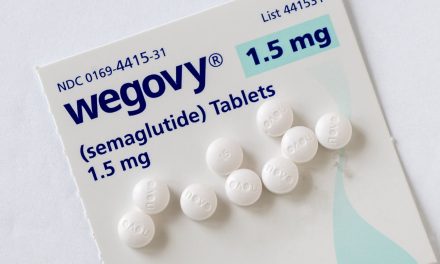
Meanwhile, Novo Nordisk helped build the market for weight loss drugs and launched highly effective GLP-1 drugs, including diabetes injection Ozempic and obesity injection Wegovy. But the company is struggling to regain its leading market position after losing market share to its main rival Eli Lilly last year and struggling to impress investors with its current obesity pipeline.
The emergence of new potential competitors in the market, including names such as Amgen, Roche and Zealand Pharma, is increasing pressure on Novo Nordisk to regain market share.
But in a note Thursday, TD Cowen analyst Michael Nedelcovych said it was not clear whether Metsera’s GLP-1 or Amylin drugs would be “different” from Novo Nordisk’s own drugs – raising questions about how much the company could gain from the deal.
“Value may be determined by the prospect of once-monthly dosing, but the feasibility of this approach is not yet proven,” he said. “Add to that regulatory risks and a possible bidding war, then this news gives us reason to think.”
In an email to clients on Monday, Jared Holz, healthcare equity strategist at Mizuho, said Novo Nordisk appears to be pursuing Metsera “as much for its own sake as for preservation.” [the biotech company’s drugs] from the hands of Pfizer or other drug manufacturers.
What do Pfizer’s lawsuits argue?
Pfizer’s federal antitrust lawsuit alleges that Novo Nordisk’s proposed acquisition of Metsera would help maintain its dominance in the blockbuster obesity market by eliminating a smaller potential competitor, according to the lawsuit filed Monday in U.S. District Court in Delaware. The lawsuit also alleges that Metsera’s majority shareholders colluded with the obesity biotech company and Novo Nordisk.
Pfizer’s first lawsuit seeks to prevent Metsera from terminating its existing merger agreement with Pfizer. This lawsuit, filed in the Delaware Court of Chancery, alleges that Novo Nordisk’s offer cannot be considered a superior offer because it is not reasonably likely to be completed due to its significant regulatory risk.
Novo Nordisk responded to the latest lawsuit filed Monday: “Pfizer’s baseless allegations that Novo Nordisk intends to stifle innovation through our offering are false and without merit.”
What’s next?
We’ll have to see if Pfizer negotiates adjustments to its proposal with Metsera after the two business days have passed.
Meanwhile, a Delaware judge said at an emergency hearing on Tuesday that there is currently no need for a court to grant Pfizer’s request to join its bidding war with Novo Nordisk, Reuters reported. However, the judge scheduled a hearing for Wednesday afternoon to review the trial.
In response, Pfizer Chief Financial Officer Dave Denton said in an interview Tuesday that the company will “enforce all of our rights legally.”
“There are multiple ways for us to do this, so there’s no way we’re going to give up the fight,” Denton said, without elaborating on the other paths Pfizer could take. “We are of the opinion that we are in the right here and will continue to use all options to enforce our claims.”
We will continue to follow the takeover saga, so stay tuned for our coverage!
Feel free to send tips, suggestions, story ideas and data to Annika at a new email address: annika.constantino@versantmedia.com.
The latest in health care: Some House Republicans are poised to expand tax credits to save their districts pain, but time is running out
Democrats in Congress have made expanding the Affordable Care Act’s expanded tax credits a key requirement for reopening the government.
Three days after ACA open enrollment began and 35 days after it closed, no deal is in sight. But more Republican officials have expressed support for expanding tax credits as some of their constituents grapple with staggering premium increases for 2026.
While low-income ACA members will continue to receive tax credits enshrined in the original legislation, tax credits for middle-class members implemented during the Covid pandemic in 2021 are set to expire at the end of this year.
According to health research organization KFF, insurers have increased their premiums for next year by an average of 26%. But for enrollees who lose these increased tax credits, the effective price increases will be over 300%, and some of the hardest-hit counties are in Texas, Georgia and Florida, where Republicans are overwhelmingly represented in the House.
Last week, Centene CEO Sarah London expressed hope that Congress would reach an agreement before the end of the year, but anticipated that some participants might still not sign up. She said that even if the tax credits are extended “mid-cycle and you put in, for example, an additional 60-day special filing period, we’re looking at a market decline in the high teens to mid-30s for 2026.”
Chris Meekins, a political analyst at Raymond James, told me that if a deal were reached, Republicans would tend to demand an income cap that would exclude higher earners.
“Several moderate Democrats have expressed openness to the idea” of income caps, Leerink analyst Whit Mayo wrote in the note to clients, but added that it was too late to find a revised solution.
“Changed caps could significantly reduce the price of a repair that is expected to take one to two years. We are unsure whether there will actually be time to implement many of these changes.”
The ACA’s open enrollment for the federal health care exchange ends December 15.
You can always send tips, suggestions, story ideas and data to Bertha at bertha.coombs@versantmedia.com.