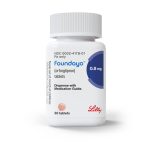



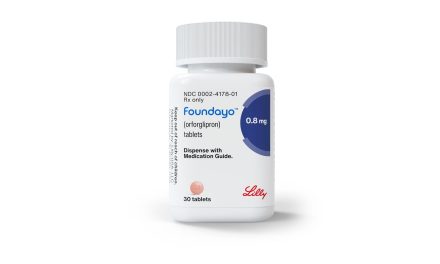










Eli Lilly GLP-1 pill Foundayo approved to treat obesity
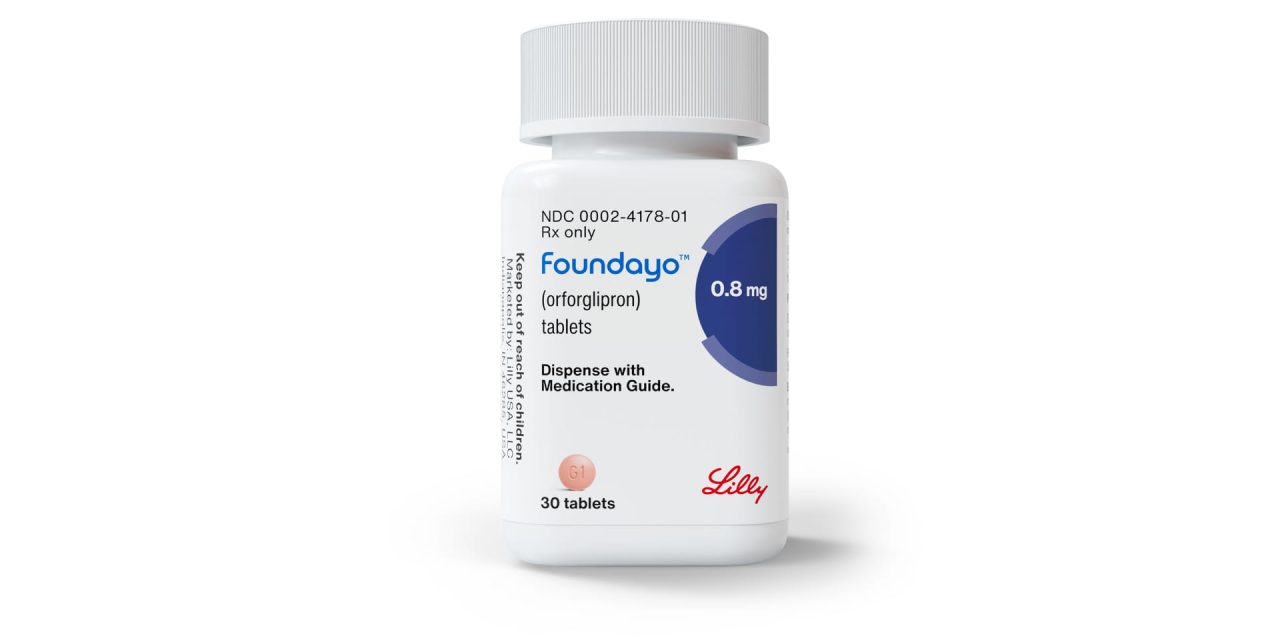
The US Food and Drug Administration has approved this Eli LillyThe company said the GLP-1 pill is a major milestone for the Indianapolis-based drugmaker and one that will test the market for new weight-loss drugs.
Lilly said the once-daily pill Foundayo will begin shipping on Monday through its direct-to-consumer platform LillyDirect and will be available in pharmacies and telehealth platforms “shortly thereafter.” People with insurance coverage could pay $25 a month with a coupon from Lilly, while people paying out of pocket could pay between $149 and $349, depending on the dose.
The approval comes just months after Lilly submitted the drug to the FDA under a program that allows rapid reviews for drugs deemed to be of priority national interest. That means Lilly will launch its Foundayo just about three months behind Novo Nordisk’s Wegovy pill, setting the stage for the next battle between the rival drugmakers at the next frontier for GLP-1 drugs.
“It’s a big moment,” Eli Lilly CEO Dave Ricks said in an interview with CNBC. “We’ve obviously been looking at this drug category for some time with the introduction of the first GLP-1 drug 20 years ago and have continued to improve since then. Here’s an option that’s not more effective… but it’s more accessible and easier to incorporate into your everyday life.”
Lilly licensed the molecule orforglipron from Japanese drugmaker Chugai in 2018, paying just $50 million upfront for global rights to the drug. But there are still questions about how big the drug will become. It doesn’t result in as much weight loss as Lilly’s bestselling Zepbound. Millions of people are already used to the routine of getting a shot once a week.
Eli Lilly Foundayo GLP-1 weight loss pill.
Courtesy: Eli Lilly
Analysts estimate Foundayo’s revenue will reach $14.79 billion by 2030, according to FactSet. That compares with expectations of $24.68 billion for weight-loss drug Zepbound and $44.87 billion for Mounjaro, which is marketed for diabetes in the U.S. and for obesity and diabetes in the rest of the world.
Ricks said vaccinations haven’t been as big a barrier to uptake as Lilly once thought. He still thinks Foundayo is an attractive option for people who prefer to take a pill or are looking for a cheaper price than injectables.
He sees this as playing a role in maintenance for people who want to reach their goal weight in one fell swoop and maintain the weight. And he sees Foundayo as a way to “reach the planet” without the production limitations or cold chain requirements that come with Zepbound.
Foundayo is a small molecule, while Zepbound and Wegovy are peptides that require more intensive manufacturing processes. Ricks expects a barrier to hamper generic versions of Wegovy that have recently been launched in some other countries, such as India.
“[Foundayo] “Allows scalability, and that will allow us to roll this out globally for the first time,” Ricks said. “So today you can get the hearing [Wegovy] in the US, but you really can’t get it anywhere else. This is marketed worldwide. Once we have regulatory approvals, we essentially have the scale we need to supply the world with an oral GLP-1 inhibitor.”
Lilly expects Foundayo to be approved in more than 40 countries within the next year. The company has invested more than $55 billion in production since 2020, including opening new locations and expanding existing plants to produce the pill.
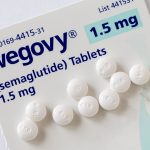
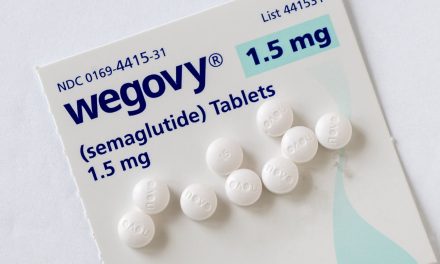
In the US, Lilly will compete with Novo’s newly launched Wegovy pill. Initial demand for the pill was stronger than expected: Novo reported more than 600,000 prescriptions in March.
Novo CEO Mike Doustdar told CNBC in February that one of the early takeaways from the launch is that the pill appears to be expanding the obesity treatment market and attracting new patients rather than convincing existing patients to take injections. Ricks agreed with that assessment, saying that Lilly doesn’t care whether people take Foundayo or Zepbound.
“We want people to take the medication that meets their health goals,” Ricks said. “If Lilly is on the field, that’s our goal.”
Novo wants to argue that the Wegovy pill is more effective than Foundayo. The Wegovy pill showed an average weight loss of about 16.6% in a late-stage study, while Lilly’s oral drug caused an average weight loss of about 12.4% in a separate study analyzing patients who continued treatment. Lilly’s Zepbound has consistently shown that it can help people lose more than 20% of their body weight.
In the meantime, Lilly would like to point out that Foundayo can be taken at any time without restrictions, while the Wegovy pill must be taken first thing in the morning on an empty stomach with just a few ounces of water.
If the two drugs are the same, the starting price applies. Thanks to an agreement the companies reached with the Trump administration last fall, the lowest doses of both drugs will cost $149 for cash-paying customers. And price is the most important factor for patients, Dr. Nidhi Kansal, an obesity medicine doctor at Northwestern Medicine.
“Unfortunately, price is the deciding factor in making decisions between doctors and patients for these drugs as they are all excellent drugs and we have many options now, but ultimately it is still a financial decision,” Kansal said.
The lower price and accessibility of a pill versus a shot opens the market to casual interested patients, said Evan David Seigerman, an analyst at BMO Capital Markets. Seniors on Medicare will be able to access Foundayo and other GLP-1 obesity drugs for $50 a month starting this summer under Lilly and Novo’s contracts with the Trump administration. Ricks expects a “pretty strong” response to the program, which Lilly included in its financial forecast for the year.
Analysts say a successful launch by Foundayo is key to Lilly stock recovering from recent weakness. The company’s shares have fallen about 14% this year after a meteoric rise that briefly made Lilly the first trillion-dollar health care company with a market cap. “Sales are a lagging indicator, so analysts will track prescriptions to monitor uptake of the pill,” said Carter Gould, analyst at Cantor Fitzgerald.
“If the scripts go in the right direction and you see the continued progress, I think people will see through any kind of unrest.” [the first or second quarter]said Gould.
Another factor in Lilly’s performance this year is the upcoming announcement of its more effective anti-obesity drug, retatrutide. The company has already released some recent data on this drug, but the most important study is examining the treatment specifically for weight loss. If Retatruide meets its expectations, Lilly would be on its way to building a portfolio of anti-obesity drugs.
“The future will offer more choices, and that’s a great thing,” Ricks said. “And we hope that Lilly will be the one to suggest those decisions.”
Choose CNBC as your preferred source on Google and never miss a moment from the most trusted name in business news.