









Another CDC vaccine skeptic resigns
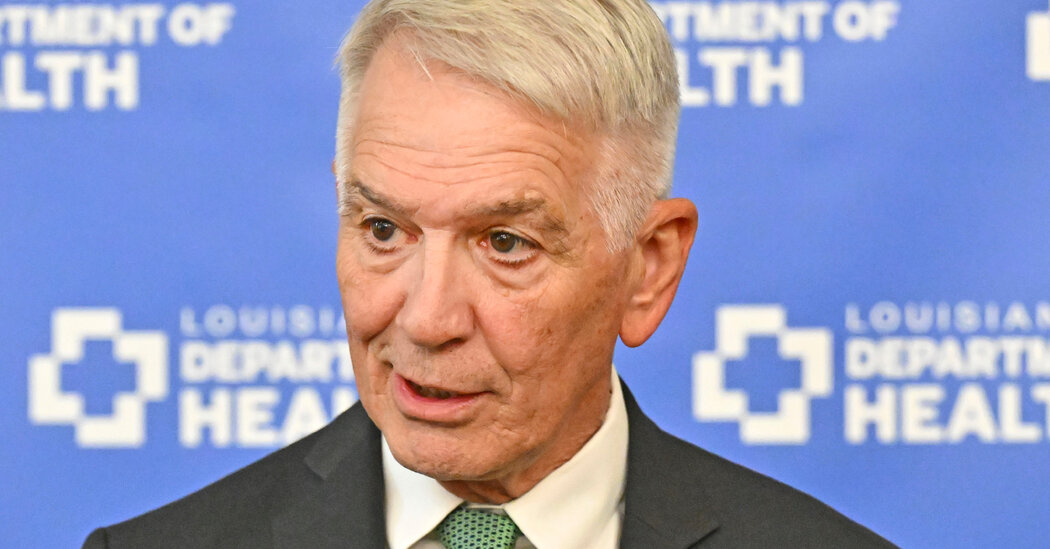
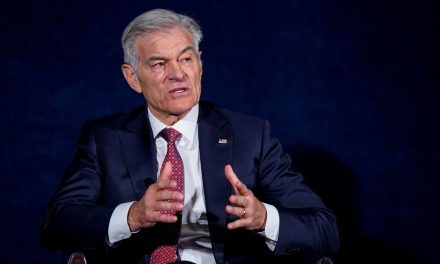
In addition to a rapid shakeup in federal health agency leadership, the Centers for Disease Control and Prevention announced Monday that Dr. Ralph Abraham resigned as chief deputy director of the agency.
His departure triggers an increase in vaccine skepticism at the top of the agency, a sign of the administration’s departure from the agenda previously pursued by Health and Human Services Secretary Robert F. Kennedy Jr. and his appointees.
The resignation of Dr. Abraham’s appointment, which comes less than three months after taking office, is effective immediately, the agency said in a statement on its website. Dr. Abraham and the Department of Health and Human Services, which oversees the CDC, did not immediately respond to requests for comment.
As Surgeon General of Louisiana, Dr. Abraham told the state health department to stop promoting vaccinations, calling Covid vaccines “dangerous.” In his role as CDC deputy, he dismissed the escalating measles outbreaks in the United States and the potential loss of the country’s measles elimination status as a “cost of doing business.”
Under Mr. Kennedy’s leadership, the CDC has withdrawn recommendations for several childhood vaccinations, prompting medical organizations to sue the Department of Health and Human Services and distance themselves from the agency.
On Monday, the American College of Obstetrics and Gynecologists announced it was withdrawing as a liaison organization to the CDC’s Advisory Committee on Immunization Practices, which makes vaccination recommendations for Americans.
The American Academy of Pediatrics has also been boycotting committee meetings since last summer.
Dr. Abraham “decided to resign to address unforeseen family obligations,” the CDC statement said. His resignation follows the sudden appointment of Dr. Jay Bhattacharya, director of the National Institutes of Health, last week in a second role as acting director of the CDC
Public health experts expressed skepticism that Dr. Bhattacharya could effectively run two large agencies hundreds of miles apart. But he has been more outspoken about vaccines, calling the measles vaccine “the best way to combat the measles epidemic in this country” in a Senate hearing this month.
The CDC has experienced a number of leadership changes since President Trump took office last year. The White House withdrew its nomination from Dr. Dave Weldon, the first nominee for CDC director, returned just hours before his Senate confirmation hearing.
The administration later successfully nominated Susan Monarez, who had served as deputy director, but ousted her from office after less than a month.
Jim O’Neill, who has since served as the agency’s deputy director, left HHS last week to take a new role at the National Science Foundation.
Unlike Mr. O’Neill, who was rarely seen at CDC headquarters in Atlanta, Dr. Abraham worked at the agency for some time and reportedly called its employees family.
“It has been an honor to stand alongside CDC’s dedicated health experts and support the agency’s critical mission,” said Dr. Abraham in the agency’s statement.