












USA opens customs investigation into Germany’s drug pricing policy
The US has launched an investigation into Germany’s pharmaceutical policy over what it calls a “persistent underpayment” for medicines, as the European country tries to limit rising healthcare costs, including drug spending.
“President Trump has made clear that American patients should not bear a disproportionate share of global pharmaceutical research and development,” U.S. Trade Representative Jamieson Greer said in a statement late Thursday.
“I am particularly concerned by the news that Germany is moving forward with accelerated legislation that would further reduce its spending on innovative medicines,” he said, calling it “a serious step backwards.”
In April, Germany proposed overhauling its health insurance system to ease pressure on public finances amid increased health spending.
It introduced a series of cost-saving measures, including higher discounts for pharmaceutical industry insurance funds, prompting many drugmakers to warn they may withdraw or delay the introduction of new drugs in the country.
The draft law is currently going through the parliamentary process.
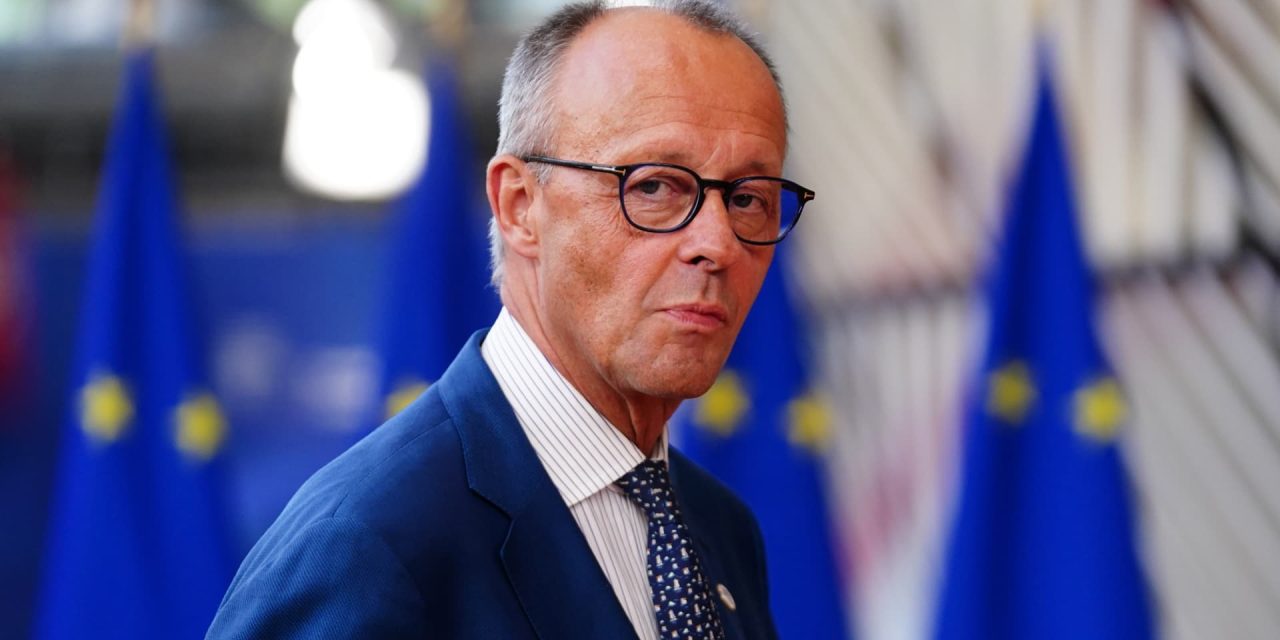
Chancellor Friedrich Merz said on Friday that he assumed that the USA would stick to the existing trade agreement with the European Union and that the issue of reimbursement by German health insurance companies fell under national responsibility.
“If the United States wants information on this, we are of course happy to provide it,” he said after an EU summit in Brussels in comments reported by Reuters.
The US investigation was launched under Section 301 of the Trade Act, which allows unilateral action against countries with unfair practices that burden US trade and may lead to the imposition of tariffs.
Greer said U.S. trading partners must pay their fair share to fund research into new drugs and that the investigation came after months of discussions with German partners.
He also suggested that the issue could be resolved without legal action, pointing to the recent US-UK deal in which the UK, through its National Health Service, paid higher prices for new drugs in return for a tariff exemption on medicines.
“Germany should follow this example and conduct constructive negotiations to eliminate this imbalance,” said Greer.
The German Health Ministry did not respond to a request for comment.
Lower drug prices
Trump has made lower drug prices a priority and called for “ending global free riding,” referring to higher prices in the U.S. compared to other comparable countries, including Europe.
The Trump administration last year introduced the so-called Most Favored Nation Drug Policy (MFN), which ties drug prices in the United States to lower drug prices abroad. It has reached agreements with 17 of the world’s largest pharmaceutical companies to voluntarily lower drug prices in the United States in exchange for tariff exemptions.
But critics of the policy say it slows innovation and discourages investment in research and development.
Pharma executives, including the CEOs of AstraZeneca, NovartisRoche and private company Boehringer Ingelheim have also warned that European countries risk missing out on novel drugs if prices in the lucrative U.S. market are tied to lower prices elsewhere.
AstraZeneca CEO Pascal Soriot said in April that the company would not be able to market the drug there if the gap between U.S. prices and prices in a reference country became too large, even though it had the “best intentions” of making new drugs available to patients.
Choose CNBC as your preferred source on Google and never miss a moment from the most trusted name in business news.