




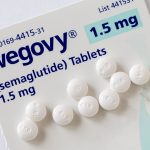







Trump Negotiates with Lilly, Novo Nordisk Could Expand Access to Anti-Obesity Drugs
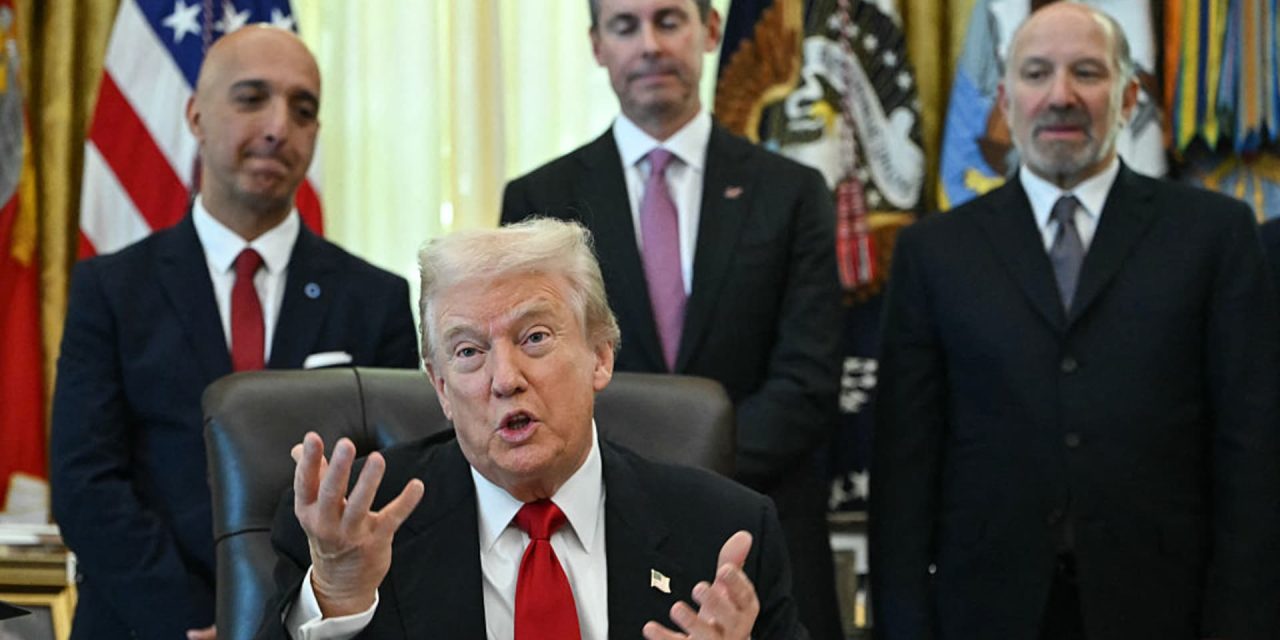
U.S. President Donald Trump makes an announcement in the Oval Office of the White House in Washington, DC on November 6, 2025.
Andrew Caballero Reynolds | AFP | Getty Images
President Donald Trump made groundbreaking agreements on Thursday Eli Lilly And Novo Nordisk This could mark a turning point in how many people have access to their expensive blockbuster obesity drugs.
Under the deals, Medicare will cover GLP-1 for obesity in certain patients for the first time starting in mid-2026, a shift that will open access to millions of older adults and could prompt more employers and other private insurers to follow suit, some experts said. Novo Nordisk and Eli Lilly are also lowering the prices all state Medicaid programs pay for GLP-1, but it’s up to states to decide on coverage.
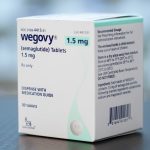
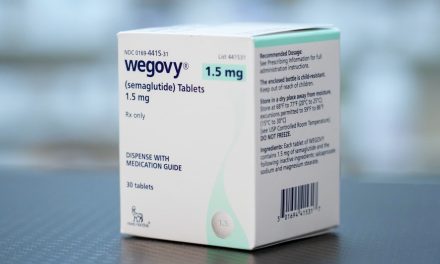
Obesity drug coverage among state Medicaid plans, employers and other private insurers remains tenuous due to monthly list prices of $1,000 or more for existing GLP-1 drugs, including Eli Lilly’s obesity injection Zepbound and Novo Nordisk’s competitor Wegovy.
Limited insurance coverage has excluded patients who cannot afford the high prices. This lack of access has led to increasing pressure on health insurers and the government to expand coverage – and government agreements with drugmakers could represent a major shift.
“I think it will start with the government, with Medicare, and insurers will quickly follow,” Nick Fabrizio, an associate teaching professor in Cornell’s health policy program, told CNBC. “I do believe that’s coming.”
“This is a big step toward trying to address a chronic and serious problem for those patients who may feel like they have no hope,” he said.
About 8 million to 9 million people in the U.S. use GLP-1, Eli Lilly CEO David Ricks said at a briefing with reporters Thursday. The additional Medicare coverage under the deal could bring up to 40 million new eligible patients and lead to additional commercial plans to cover the drugs, he said.
The agreements could also address the problem that many patients with limited or no insurance coverage are unable to access obesity medications by offering the treatments at a discount on the Trump administration’s direct-to-consumer website, TrumpRx.gov.
Monthly out-of-pocket costs for existing injections and upcoming pills could range from $50 to $350 starting next year, depending on a patient’s dosage and insurance coverage.
Still, there is a law that prohibits Medicare from covering weight loss medications, so any changes would have to come from Congress. Eli Lilly’s Ricks told reporters on Thursday that the government will initially launch an initial pilot program in spring 2026 under a temporary legal mechanism. For Medicare prescription drug plans, it would be voluntary, so “some plans may not participate, but I expect almost all will participate,” he said.
But Ricks said it will transition to a formal so-called Center for Medicare and Medicaid Innovation pilot program in 2027, meaning it will be mandatory for all Medicare Part D plans.
“We therefore expect broad coverage of all plans both in 2026 and beyond,” he said.
Medicare coverage could be a sea change
Perhaps the most notable feature of the agreements is Medicare coverage of obesity medications, as this could allow the treatments to reach new patients in the program and lead to broader private insurance coverage.
As part of the agreements, Eli Lilly and Novo Nordisk agreed to reduce the price that Medicare and Medicaid pay for GLP-1 to $245 per month. Specifically, under Medicare, certain patients pay a $50 per month copay for all approved uses of injectable and oral GLP-1 medications, including the treatment of diabetes and obesity.
However, the Trump administration is placing some restrictions on which Medicare enrollees are eligible for GLP-1 anti-obesity drugs and cardiovascular and metabolic benefits. Eligible individuals include patients with a body mass index of 27 or greater with prediabetes or existing cardiovascular disease; Those with a BMI of 30 or more and associated health problems; or those with severe obesity or a BMI of 35 and above.
GLP-1s for weight loss are approved for a broader population: people who are obese or overweight and have an associated medical condition. In a note Thursday, Leerink Partners analyst David Risinger also said it is unclear whether the government will allow patients to remain on a GLP-1 test for obesity after their BMI levels drop.
Even with those limitations, “I think in practice it will still cover a whole range of people,” said Darius Lakdawalla, scientific director at the Schaeffer Center at the University of Southern California.
JPMorgan analyst Chris Schott said the eligibility criteria mean 80% of the obese population in Medicare could get coverage for GLP-1 despite the restrictions.
“Today’s deal will provide meaningful access to anti-obesity drugs,” Schott said Thursday in a note about Eli Lilly.
Lakdawalla added that while there is no clear evidence that private insurers will expand coverage following government plans, “it is visually more difficult for them to continue to restrict coverage when Medicare and Medicaid cover them.”
“This will create some pressure to expand commercial reporting on these drugs as well,” Lakdawalla said.
Obesity insurance coverage for GLP-1 patients has increased slightly but remains sparse: A May survey of more than 300 companies by the International Foundation of Employee Benefit Plans found that 36% cover GLP-1 patients for both weight loss and diabetes, up from 34% in 2024.
Direct-to-consumer Medicaid offerings could fill gaps
Lakdawalla said the direct offerings under the agreement could be useful for people who are underinsured, uninsured, or who may not have insurance coverage for obesity medications. However, it is unclear how many more patients the medication will reach as a result of the offers.
Both Eli Lilly and Novo Nordisk have introduced lower-cost options for their medications for people who pay cash and purchase the medications directly through their websites. But the Trump deals will give these patients even bigger discounts.
At TrumpRx, the average monthly cost for Wegovy, Zepbound and other GLP-1 injectables will start at $350 and drop to $250 within the next two years, according to senior Trump administration officials. Eli Lilly and Novo Nordisk both offered some GLP-1s on their direct-to-consumer platforms for up to $450 to $500 per month.
The starting dose of Eli Lilly and Novo Nordisk’s obesity pills – expected to hit the market next year – will be $149 per month across TrumpRx, Medicare and Medicaid.
Eli Lilly said Thursday that it would cut prices by $50 on its own direct-to-consumer platform LillyDirect, which already offers Zepbound and other drugs at a discount to cash-paying patients. Zepbound’s multi-dose pen will be available in the lowest dose for $299 per month, with additional doses costing up to $449 per month.
Regarding Medicaid, Cornell’s Fabrizio said states probably want to start covering obesity medications at a lower price, “but the question is, how are they going to pay for it?”
About a dozen state Medicaid programs cover obesity medications, according to 2024 estimates from KFF, a health policy research organization. While GLP-1 provides significant health benefits to Medicaid recipients, state programs already face limited budgets and administrative requirements.
Fabrizio added that increasing taxes to cover drugs “could be a sensitive issue.”
Still, JPMorgan’s Schott said offering lower prices to Medicaid programs could lead to a “significant increase in coverage” in that channel, where Zepbound has very limited adoption.