















Omada Health begins prescribing GLP-1, other obesity medications

The Omada Health logo is displayed on a smartphone screen.
Sopa pictures | Light rocket | Getty Images
Virtual care company Omada Health On Thursday, the company said it would begin prescribing GLP-1 and other anti-obesity drugs and help patients manage these drugs.
Omada plans to expand offerings within its weight management program as its membership grows to over 800,000.
The announcement comes as digital health companies are increasing their presence in the blockbuster market for GLP-1 to treat obesity, diabetes and other chronic diseases – an area that some analysts say could be worth around $100 billion by the end of the decade. Several digital health companies also offer prescriptions for GLP-1, and the makers of those drugs, Eli Lilly and Novo Nordisk, are taking steps to make their treatments more accessible while developing new ones for patients.
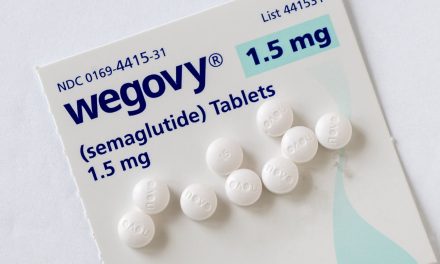
“The announcement is in response to our belief that access to GLP-1 will increase significantly over time,” Omada co-founder and CEO Sean Duffy said in an interview. He said Omada recognizes the market will expand beyond GLP-1 injections to “next-generation” pills and other treatments that work in different ways, underscoring the need to help patients manage their medications.
Programs from companies like Omada aim to support lifestyle and behavioral changes for patients taking these medications by, among other things, providing nutritional advice, education and a team of health coaches and exercise specialists who can help people stay on the medications longer. But Omada is now using licensed providers trained in obesity treatment to prescribe medications and help patients manage the medications.
The new offering will allow the company to support patients through the prescription process and throughout the time they spend with a GLP-1. This type of support is crucial because the proper use of GLP-1 injections can be complicated for patients and is often accompanied by gastrointestinal side effects that force some people to discontinue treatment.
“If you need to increase or decrease the dose, change medications – whatever. We can support you through that experience,” Duffy said.
Omada, which works with national and regional health plans and employers, also said the new offering is a complement for customers to better support the health needs of their employees while controlling costs and improving outcomes of obesity treatments.
Also on Thursday, Omada Health reported quarterly results for the second time since its IPO in June.
Founded in 2011, the company offers virtual care programs to support patients with chronic conditions such as prediabetes, diabetes and hypertension. Omada describes its approach as a “between-visit care model” that complements the broader healthcare ecosystem.