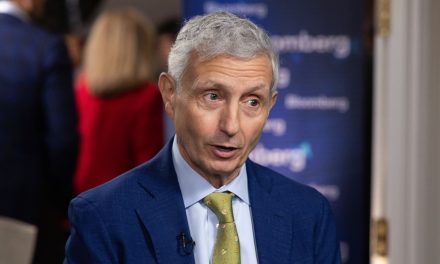












Eli Lilly CEO David Ricks talks about Medicare coverage of obesity pills

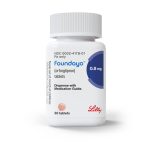
Eli Lilly CEO Dave Ricks said Friday that upcoming Medicare coverage of obesity drugs could be a key catalyst for the launch of the company’s much-hyped experimental weight-loss pill, orforglipron.
In an exclusive interview with CNBC, Ricks said Lilly expects to “get Medicare coverage for treatment immediately after launch, and that will also be a game-changer a little bit.”
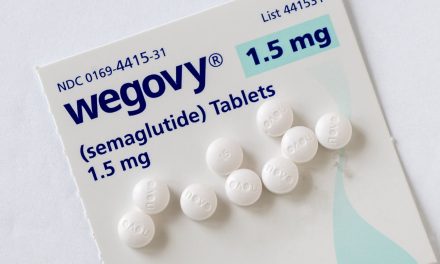
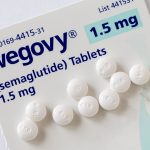
He said that’s because many patients are currently paying cash for the competition Novo NordiskGLP-1 obesity pill. It launched earlier this month and is off to a good start, although insurance coverage is poor.
Ricks said he noticed that almost all of the early adopters of Novo’s Wegovy pill were new to GLP-1 treatments and were not users of existing injections. “So it’s comprehensive, it’s reaching more patients and that’s great.”
He added that Lilly was confident in the competitiveness of its pill and was preparing for a “full launch” in the second quarter. The rollout is expected to coincide with Medicare beginning to cover obesity drugs for the first time later this year under drug pricing agreements Lilly and Novo struck with President Donald Trump in November.
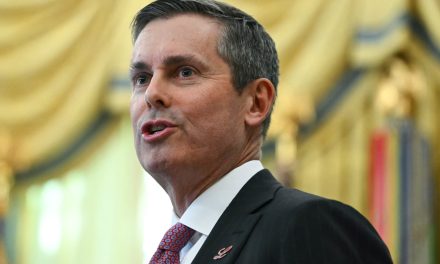
Eli Lilly CEO Dave Ricks speaks during a news conference on September 23, 2025 in Houston.
Antranik Tavitian | Reuters
This government support will drive down pill prices even further in the second half of the year, Ricks said. Certain Medicare patients pay a $50 per month copay for all approved uses of injectable and oral GLP-1 medications, including the treatment of diabetes and obesity.
“That opens things up pretty wide and we’ll see where we can go from there,” Ricks said.
Medicare coverage of obesity treatments is a long-awaited step that some health experts say could expand the market for drugs and encourage more private insurers to cover them. Ricks estimates that 20 to 30 million Medicare enrollees suffering from obesity and related health problems could be eligible for GLP-1 treatments, making the coverage a “large multiplier to the eligible pool.”
Ricks acknowledged that there would be a “price reduction” as part of the drug pricing agreement earlier this year. The agreements involve drugmakers voluntarily offering their drugs at a cheaper price, including selling their existing treatments to Medicaid patients at the lowest prices abroad and guaranteeing the so-called most favored nation price for new drugs.
But Ricks said volume growth for Lilly’s drugs “will pick up in the second half of the year.”
“We believe this is a positive outcome for us, but only time will tell,” he said, adding that it will be based on the treatments’ acceptance among Medicare patients and the company’s share of that acceptance.
Lilly will provide more details on the deal’s financial impact when it reports its fourth-quarter results and 2026 guidance next week, he said.
The pricing agreements include commitments to bring drugs to market at discounted cash prices on Trump’s direct-to-consumer platform TrumpRx. This website, which was scheduled to launch in January, is not yet online.
Ricks said Lilly was the first drugmaker to sell obesity medications directly to patients through the company’s platform, LillyDirect, and TrumpRx is “leveraging that and expanding it to other medications across the industry.”
“We’re all for that,” he said.